Tour Overview
This 7 day Ireland tour is crafted for first-time visitors to Ireland, covering many of the most iconic destinations across the south and west. Starting and ending in Dublin (with airport pickup/drop-off), it combines historic sites, breathtaking landscapes and authentic cultural experiences. You’ll visit lively cities and quaint towns, explore medieval castles and monastic ruins, drive along two spectacular Atlantic peninsulas (Ring of Kerry and Dingle), stand atop the mighty Cliffs of Moher, and soak in Irish music and hospitality each evening. The pace is relaxed but comprehensive – with a private driver-guide, the itinerary can be flexible to your interests and energy levels. Comfortable mid-range accommodations (4★ or 5★ hotels and quality B&Bs) are arranged in each overnight stop, giving you a good mix of Ireland’s famous friendliness and a great night’s rest. Below is the detailed day-by-day itinerary, including key activities, approximate travel times, accommodation suggestions, and optional add-ons to further enrich your Irish adventure.
Day 1: Dublin City – Welcome to Ireland
Arrive in Dublin. Half-day guided city tour (Trinity College, Temple Bar). Evening of Irish music and pub culture.
Day 2: Wicklow Mountains → Kilkenny
Scenic drive through Wicklow to Glendalough. Tour medieval Kilkenny in afternoon.
Day 3: Kilkenny → Rock of Cashel → Blarney → Killarney
Visit Rock of Cashel, kiss the Blarney Stone, arrive to Killarney by evening.
Day 4: Killarney National Park & Ring of Kerry
Explore Killarney Lakes and a portion of the Ring of Kerry loop. Second night in Killarney.
Day 5: Dingle Peninsula
Drive to Dingle, tour Slea Head Drive (stunning coastal vistas), overnight in Dingle village.
Day 6: Cliffs of Moher → Galway
Take the Shannon Ferry, visit the Cliffs of Moher, continue to the vibrant city of Galway for the night.
Day 7: Galway → Dublin (Departure)
Morning in Galway, then 2.5-hour drive back to Dublin. Tour ends with drop-off at Dublin Airport or city.
Detailed Day-by-Day Itinerary
Day 1: Dublin City – Fáilte to Ireland! 🇮🇪
Morning/Afternoon in Dublin: Your guide will meet you upon arrival (Dublin Airport or your hotel). Kick off the tour in Ireland’s capital city, Dublin with a half-day of sightseeing focused on history and culture. Stroll the cobbled paths of Trinity College, Ireland’s oldest university (founded 1592), and view the exquisite Book of Kells, a 9th-century illuminated manuscript, in the Old Library’s Long Room. Next, explore Dublin’s Georgian architecture and revolutionary history: a walking tour along O’Connell Street will take in the General Post Office (site of the 1916 Rising) and the statue-lined Northside streets. Cross the River Liffey to visit Dublin Castle or the Christ Church Cathedral area, and then meander through the Temple Bar district with its narrow lanes of galleries and shops. If interested, you can also visit the Guinness Storehouse for a fun self-guided tour ending in a rooftop pint (the Storehouse is one of Dublin’s top attractions), or choose the interactive EPIC Museum to learn about Irish emigration stories.
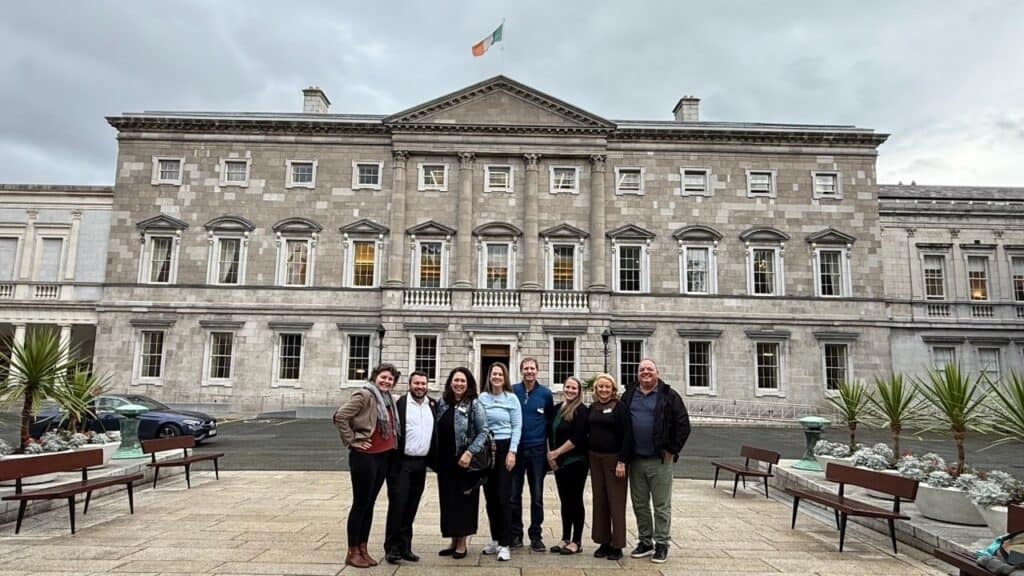
Evening – Pubs & Music: Dublin is famed for its nightlife and live music. Enjoy a hearty Irish dinner – perhaps try local specialties like beef & Guinness stew or fish and chips – and then sample the pub scene. Many pubs have traditional music sessions nightly; places like The Celt or O’Donoghue’s offer an informal show where musicians gather to play fiddles, flutes and bodhráns in the corner as pints flow. Temple Bar’s pubs are lively (albeit touristy), while nearby Camden Street or Capel Street have popular spots with a mix of visitors and locals. Your guide can suggest a venue based on your taste – whether you fancy a quiet historical pub or a folk music hooley. After an exciting first day, overnight in Dublin city.
Accommodation: You’ll stay in a central Dublin hotel (4★ or boutique 3★), so you can easily explore on foot. For example, the Harding Hotel (3★) near Christ Church or Brooks Hotel (4★) in the Creative Quarter are both well-regarded mid-range options. These put you walking distance to key sights and eateries. Rooms will be en-suite with modern amenities; larger hotels often have on-site restaurants and bar lounges as well.
Approx. Travel: Minimal driving today (airport to city ~30min). All main sightseeing is within Dublin’s city centre (largely on foot).
Optional Add-On (Cultural Immersion): Gaelic Games Experience – Dive into Irish culture by learning Gaelic sports in Dublin. At Experience Gaelic Games (a highly-rated 3-hour workshop in the city), you’ll join trained coaches to try hurling and Gaelic football yourself! It’s a fun, light exercise activity where you’ll discover why these ancient sports are a passion for Irish people. Suitable for all ages, this interactive session includes an intro video, equipment provided, and lots of laughter as you attempt the skills. Cost: ~€50 per person. Why? It’s something you can only do in Ireland – an active, authentic way to connect with local culture from day one!
Day 2: Through the Wicklow Mountains to Medieval Kilkenny
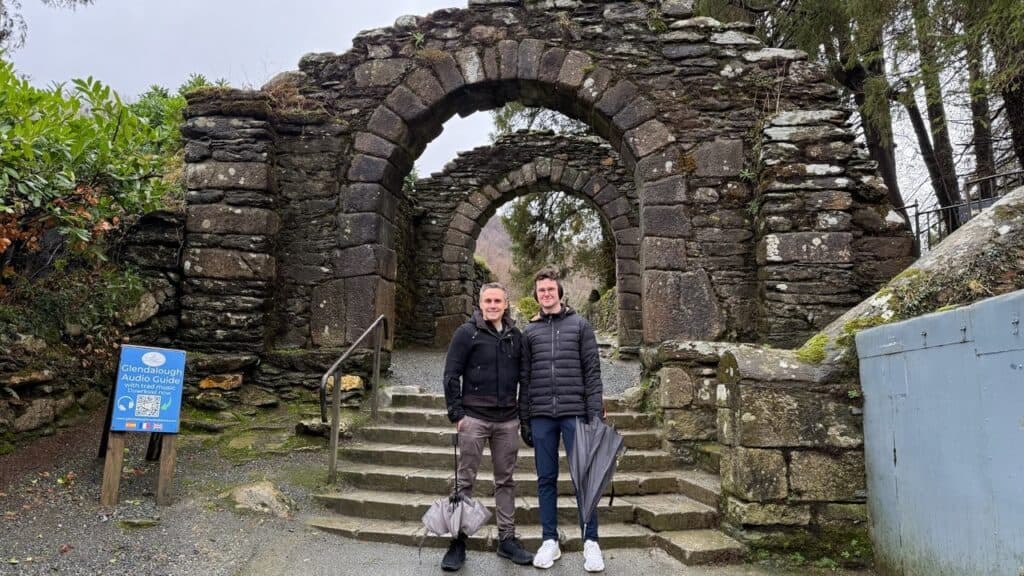
Morning – Dublin to Wicklow: Depart Dublin after breakfast, heading south into the wild Wicklow Mountains. In just an hour, the scenery transforms from city streets to rolling heather-clad hills. Drive via the scenic Sally Gap or along the winding Military Road (weather permitting) to soak up panoramic vistas. By mid-morning, arrive in Glendalough, a glacial valley famed for its early medieval monastic settlement. Here you’ll stretch your legs exploring the 6th-century monastic ruins – the round tower, stone churches, and ancient Celtic crosses, all set beside two tranquil lakes in the mountain valley. Your guide will recount the legends of St. Kevin, who founded the monastery, as you walk the forested trails. Enjoy the fresh air; if you’re feeling energetic, you might take a short hike to the upper lake for even more stunning views (the valley’s name means “glen of two lakes”).
Travel onwards to Kilkenny: Around midday, depart Glendalough and continue south-west through rural counties Wicklow and Carlow. The drive to Kilkenny takes roughly 2 to 2.5 hours (approx 110 km), giving you time to relax in the vehicle or perhaps learn a few Irish phrases from your guide. En route, you’ll pass pretty countryside and farms; you might stop for a quick lunch at a village café along the way.
Afternoon – Kilkenny City: Arrive in the medieval city of Kilkenny by early afternoon. Compact and full of character, Kilkenny is known as Ireland’s “Marble City” (after its black marble-like limestone) and is home to a well-preserved Anglo-Norman castle. First, visit Kilkenny Castle, the 12th-century fortress remodeled in Victorian times, which sits grandly overlooking the River Nore. A guided tour (or self-guided with audio) inside showcases period furnishings and the beautiful Long Gallery. Afterwards, wander the Medieval Mile – the main street linking the castle to St. Canice’s Cathedral. Along this route are row upon row of colourful old merchant houses now hosting pubs, shops, and craft galleries. You’ll see the medieval St. Mary’s Church and can pop into the Medieval Mile Museum (in a 13th-century church) if interested in local history and archeology. Another highlight is St. Canice’s Cathedral (builtin 1285) with its climbable round tower offering city views. Kilkenny is also famed for its arts and crafts; you might browse the National Craft Gallery or some artisan pottery and design shops. If time allows and you fancy a pint, stop into the 14th-century tavern Kyteler’s Inn, once owned by the notorious Dame Alice Kyteler (accused of witchcraft in 1324!).
By late afternoon, check in to your accommodation in Kilkenny. Take a little downtime, or perhaps enjoy a stroll along the river in the late daylight – the riverside path by Kilkenny Castle’s park is lovely.
Evening in Kilkenny: Tonight, dine at one of Kilkenny’s many excellent restaurants or gastropubs. You could try a traditional Irish meal or opt for something contemporary – this small city has a thriving food scene. After dinner, the town’s pubs beckon. Many are atmospheric with live music or storytelling nights. If you’re interested, your guide can arrange a local walking tour after dark, such as a historical ghost tour through Kilkenny’s narrow alleys, which is an entertaining way to hear some local lore.
Accommodation: Overnight in Kilkenny City – you’ll stay in a centrally-located hotel or guesthouse. Kilkenny has a range of charming options, from historic boutique hotels to friendly B&Bs. For instance, the Pembroke Kilkenny Hotel (4★) is a modern boutique right behind the castle, known for its spacious rooms and spa. Another great option is the Kilkenny Hibernian Hotel (4★), a refurbished former bank building by the castle gates, which offers classic decor and even has a popular pub on-site. Both are within walking distance of everything in the city centre (as virtually all Kilkenny accommodations are, given the city’s walkability). Expect warm hospitality and a hearty Irish breakfast in the morning.
Approx. Travel: Dublin to Glendalough – ~45 minutes (48 km) by private car. Glendalough to Kilkenny – ~2 to 2.5 hours (110 km) driving, depending on stops.
Optional Add-On (Evening in Kilkenny): Smithwick’s Brewery Experience – Beer lovers or history buffs can tour the Smithwick’s Experience in Kilkenny, the original brewery of Ireland’s oldest ale (Smithwick’s has been brewed here since 1710). This top-rated tour (TripAdvisor’s #1 thing to do in Kilkenny) is a multi-sensory journey through 300+ years of brewing heritage, complete with holograms of monks and plenty of anecdotes. It lasts about 1 hour and concludes with a pint of ale in the tasting bar. Cost: ~€18 per person. Why Add? Smithwick’s tour immerses you in local Kilkenny heritage – you’ll learn about monastic brewing, see historic equipment, and enjoy a freshly-poured Irish red ale at the end. It’s both fun and educational (even non-beer drinkers often enjoy it), making for a nice pre-dinner activity.
Day 3: Kilkenny – Cork – Killarney
Today is packed with history and famous Irish icons, as you travel from Kilkenny through counties Tipperary and Cork into scenic County Kerry. Have a good breakfast – a full Irish with bacon, eggs, and soda bread will keep you going – and then set off mid-morning.
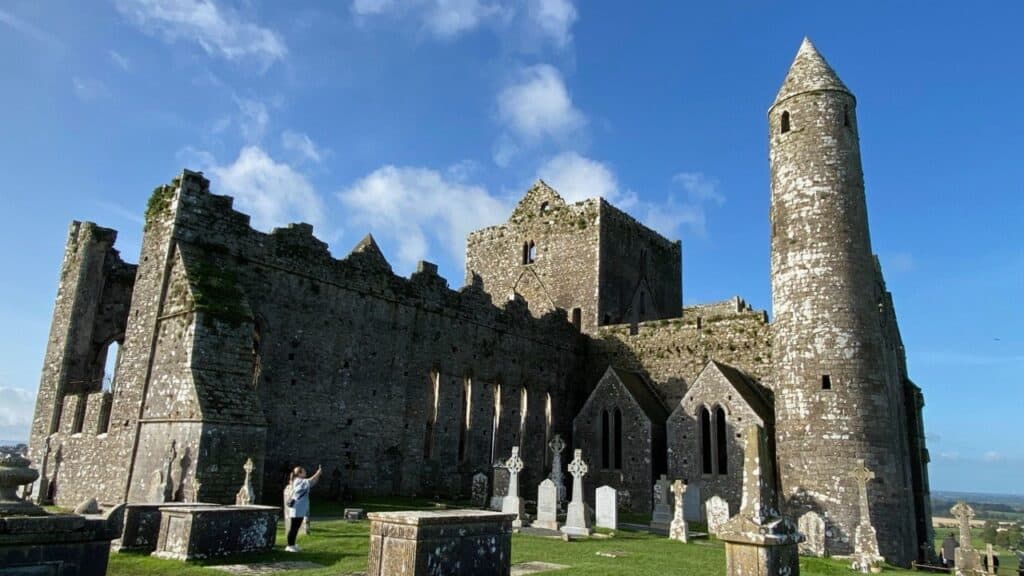
Morning – Rock of Cashel: The first stop (about an hour’s drive from Kilkenny) is the Rock of Cashel in County Tipperary. Rising dramatically on a limestone outcrop above green fields, the Rock of Cashel is one of Ireland’s most striking archaeological sites. It was the seat of the High Kings of Munster over a thousand years ago, and later the stronghold of the medieval church. Explore the impressive complex of ruins: Cormac’s Chapel (a 12th-century Romanesque chapel with fresco fragments), the huge Gothic cathedral, and the round tower. The site is sometimes called “St. Patrick’s Rock” – legend says St. Patrick banished Satan from a cave, and the Rock landed here. Whether legend or not, Cashel’s real history is rich: it was a symbol of royal and religious power for centuries. As you walk among the stone walls and gravestones (often accompanied by a whistling wind), you’ll feel transported back in time. Don’t forget to take in the view from the Rock’s hilltop – the Golden Vale countryside rolls out below, with the Galtee Mountains in the distance. It’s a must-see panorama that gives a sense of Ireland’s rural beauty and past. (Tip:) Your guide can point out a great spot on the approach road to pull over for a photo of the Rock of Cashel from afar – it’s an iconic image of medieval Ireland.
After an hour or so at Cashel, you might make a quick visit to Cahir Castle (if time permits and interest) which is 20 minutes further down the route. Cahir Castle is another imposing fortress, situated on an island in the River Suir. Even a brief stop for a photo of its stout walls and tower is worthwhile. Alternatively, continue on directly toward Cork.
Midday – Blarney Castle & Cork: Next, you’ll head about 1 hour 15 minutes south into County Cork to visit Blarney Castle, arriving around early afternoon. Blarney Castle is world-famous as the home of the Blarney Stone – said to bestow “the gift of eloquence” on those who kiss it. Climb the spiral stairs of the 600-year-old castle ruins to reach the stone at the top battlements (your guide will hold your camera if you attempt the upside-down kiss!). It’s all in good fun, and the views from up there are lovely. But Blarney is more than just the stone: the castle sits in expansive gardens filled with quirky attractions. Explore the Rock Close, a mystic garden with druidic standing stones and a “witch’s kitchen,” or stroll the landscaped grounds which feature herbaceous flowerbeds, waterways, and the Poison Garden (with deadly plants from around the world). There’s time for lunch on site – perhaps a bowl of soup or a sandwich at the cafe in the stable yard – and a bit of shopping at the adjacent Blarney Woollen Mills, an extensive Irish craft and gift store. (This is a good spot to pick up any woollen sweaters or souvenirs.)
If schedules allow, you might also do a quick panoramic drive through Cork City (about 15 minutes from Blarney) to see Ireland’s second-largest city. Driving via Cork allows you to glimpse sights like the River Lee quays, the church steeples (St. Anne’s Shandon with its famous bells), and the bustling Patrick Street. However, the main focus today is the countryside, so by mid-afternoon you’ll be on the road again heading west into County Kerry.
Afternoon – Into Killarney, County Kerry: From Blarney, it’s about 1.5 hours to Killarney (approximately 95 km). The journey takes you through the Cork-Kerry mountains via the town of Macroom and past Ballyvouskill (notable for its wind farm on the hills). As you cross into Kerry, the landscape becomes lusher and more dramatic – this region’s nickname is “The Kingdom” for its natural grandeur. Arrive in the charming town of Killarney by late afternoon. Killarney is a picturesque small town adjacent to a magnificent national park of lakes and mountains, and it has been welcoming visitors for over 250 years. Check in to your Killarney accommodation, ideally located near the town centre or by the national park’s edge.
Evening – Killarney Hospitality: Enjoy a relaxed evening in Killarney. After a travel day, you might opt to dine in your hotel’s restaurant or walk into town for dinner at a local pub or restaurant – Killarney has everything from casual pub grub (try the Irish stew or fresh Atlantic salmon) to fine dining. The town is known for its lively pubs with music; places like O’Connors or The Grand often have bands playing folk or contemporary tunes. If you’re up for it, catch some live traditional music or even an Irish dancing demonstration at a venue like Celtic Whiskey Bar. Killarney’s atmosphere is friendly and fun-loving, with visitors from all over the world mingling with locals. Rest up, though, because tomorrow you’ll be exploring the stunning landscapes around Killarney.
Accommodation: Killarney (2 nights). You’ll spend two nights here to fully experience the area without rushing. Accommodation will be in a mid-range hotel or a cosy guesthouse. Killarney offers many choices – from family-run B&Bs to larger hotels with leisure facilities. A good example is the Killarney Avenue Hotel (4★), centrally located near the park, featuring comfortable rooms and an in-house pub/restaurant. Another option could be a lakefront guesthouse on Muckross Road, where you’re a short walk from both the town center and Killarney National Park’s entrance. The goal is to have you close to the action but also in a peaceful setting. (Note: Killarney is very walkable; most hotels in town are within 5-10 minutes’ walk of shops and pubs. Being able to stroll to dinner or take an evening walk in the park is a great perk for travelers.)
Approx. Travel: Kilkenny to Cashel – ~1 hour (62 km). Cashel to Blarney – ~1 hour 15 minutes (101 km). Blarney to Killarney – ~1 hour 20 minutes (94 km). Total driving ~3.5–4 hours, broken up by stops.
Optional Add-On (Culture & Entertainment): Celtic Steps Show in Killarney – For a memorable night out, attend Celtic Steps, an award-winning Irish music and dance show in Killarney (runs April–Oct). This popular production features a troupe of world-champion Irish dancers and talented musicians in a 2-hour extravaganza of traditional reels, jigs, songs and stories. It’s held at Killarney Racecourse’s auditorium, a short walk or taxi from town. You’ll witness high-energy step dancing (think Riverdance-style, but in an intimate venue) and moving performances on fiddle, accordion, and vocals, taking you on a journey through Ireland’s musical heritage. Cost: ~€40 per person. Why Add? It’s Irish culture come to life – live and unplugged. Many guests call it a trip highlight, saying they left with “smiles and tapping toes from start to finish”. The show is family-friendly and showcases the passion behind Ireland’s music and dance traditions in a way that will leave you exhilarated.
Day 4: The Ring of Kerry & Killarney National Park 🌄
Today you’ll explore the natural splendour of County Kerry, focusing on the famed Ring of Kerry route and the lakes of Killarney. This day is all about sweeping vistas, photo stops, and fresh Atlantic air. (Because you have a private tour, we can adjust the exact route based on weather and your interests – whether you want more walking in nature or more time driving the full circuit.)
Morning – Killarney National Park: Start with a visit into Killarney National Park, a 26,000-acre expanse of mountains, woods, and the serene Lakes of Killarney. A short drive (or even walk, depending on your hotel) brings you to Muckross House & Gardens, a Victorian estate beautifully situated on Muckross Lake. Take a guided tour of the 19th-century mansion to see its period furnishings and learn about the local history (Queen Victoria visited in 1861), then enjoy a stroll in the manicured gardens and traditional farms on the grounds. Just a few minutes away is Torc Waterfall, an easy 5-10 minute walk from the road leads you to this lovely cascade hidden in lush foliage. The waterfall plunges 20 metres; you can climb the steps beside it for a view or simply enjoy the cool mist at the base. Next, your guide will drive you up to Ladies View, one of the most famous viewpoints in Ireland, named for Queen Victoria’s ladies-in-waiting who swooned over the vista. From here, you gaze out over the Middle Lake and Upper Lake with the purple peaks of the McGillycuddy’s Reeks beyond – it’s a perfect spot for a photo or a cup of tea at the small café nearby.
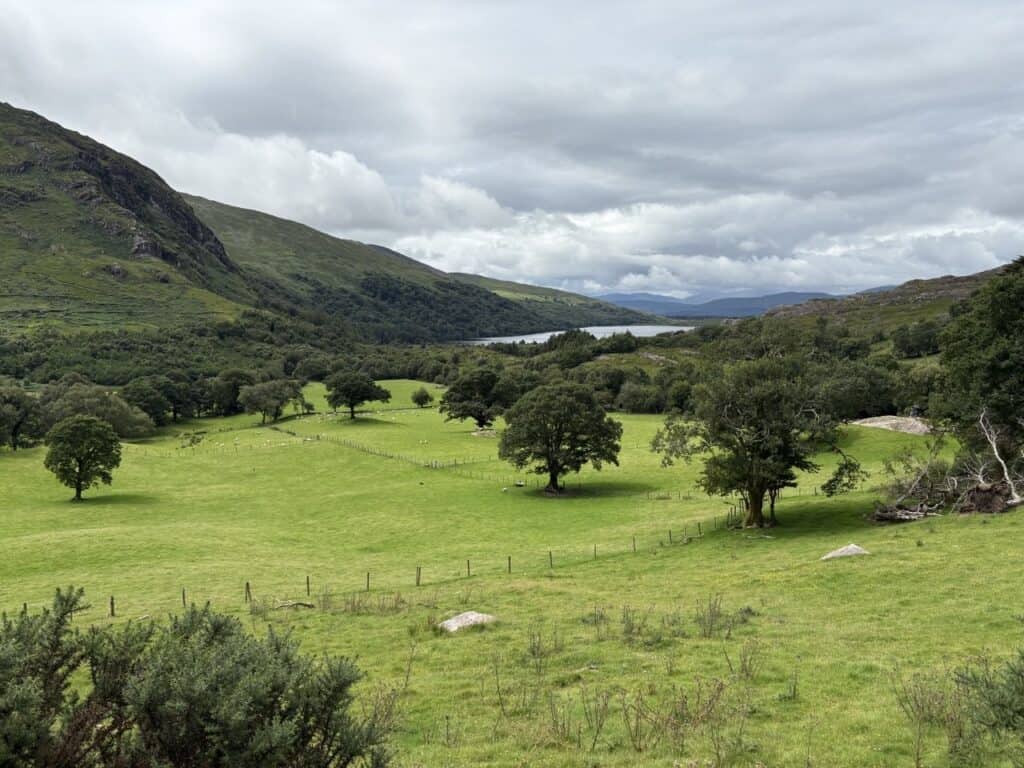
From Ladies View, continue deeper into the park along the Ring of Kerry road (N71) through the scenic Moll’s Gap – watch for red deer that often graze near the road. You might stop at Avoca Moll’s Gap (a known craft shop and café) for a snack. As you descend towards the coast, you’ll officially be on the famous Ring of Kerry, a 180-km circular route around the Iveragh Peninsula known for its coastal and mountain landscapes. We will cover the most picturesque stretch today.
Late Morning – Ring of Kerry Highlights: Drive through the quaint village of Sneem (known for its two picturesque squares and colourful houses) and along the rugged coast. You’ll have plenty of opportunities to pull over for photos – perhaps at Coomakesta Pass overlooking Derrynane, or at the Kenmare Bay viewpoints. One likely stop is the Kerry Cliffs near Portmagee (often called “Kerry’s most spectacular cliffs” – 300m high), or if you prefer, a stop in Waterville, Charlie Chaplin’s favourite holiday spot, with its lovely beach promenade. Around mid-day, stop in one of the small towns (Waterville or Cahersiveen) for lunch – maybe a bowl of seafood chowder or a sandwich at a local pub.
Afternoon – Ring of Kerry (cont.) & Return to Killarney: After lunch, continue the Ring route back toward Killarney. You’ll pass through the village of Cahersiveen (birthplace of Irish liberator Daniel O’Connell) and by the shores of Dingle Bay (with the Dingle Peninsula visible across the water). Turning inland near Killorglin, you’ll hear the legend of the Puck Fair (where a goat is crowned king!). If interested, one unique stop in mid-afternoon can be at a local sheep farm in the foothills. Here you can watch a sheepdog demonstration – an expert shepherd working highly trained Border Collies to herd sheep. This impromptu farm visit is often a surprise highlight for visitors; previous guests described a private sheep herding demo as “as entertaining as it was impressive”. It’s a fun way to see an aspect of Irish country life in action (and you might even get to hold a lamb in springtime).
The last leg takes you back into Killarney by late afternoon, completing the Ring. Since you’re staying the night again, there’s no rush – if the weather is lovely and you want to linger at a lookout or take a short nature walk, we can do so. For example, you might enjoy a quiet walk at Ross Castle on the shores of Lough Leane just before heading to the hotel; the 15th-century tower house is very atmospheric in the evening light, and you could even take a relaxing boat ride from the castle pier if time permits.
Evening in Killarney (2nd night): You’ve likely covered a lot of ground today, so feel free to relax at the hotel or enjoy another evening of Killarney’s warm hospitality. If you didn’t catch live music yesterday, tonight is your chance – perhaps at John M. Reidy’s, an old-world pub-café with hidden courtyard bars, or at one of the hotel bars where local musicians play fiddle and guitar. Swap stories of the day’s adventures over a pint of Kerry’s craft beer (like Killarney Brewing Company’s Golden Ale) or simply enjoy a leisurely dinner.
Accommodation: Killarney – same hotel/guesthouse as Day 3. (No packing or moving tonight, which is a nice break mid-tour.) Your hosts will be happy to have you for a second night, and you might even feel like a regular in the hotel’s lounge by now.
Approx. Travel: This day involves a circular drive out from Killarney and back (total distance ~130 km for the loop we’ll likely do). Driving time without stops would be around 3.5 to 4 hours, but of course we’ll be stopping frequently for sights, walks and photos. Longest continuous drive might be 1 hour at a stretch; most legs are shorter.
Optional Add-On (Active Adventure): Gap of Dunloe Jaunting & Boat Tour – If you’d prefer an alternative way to experience Killarney’s landscape, consider the Gap of Dunloe excursion (this can replace part of the Ring drive in the late morning). You’d take a traditional horse-drawn jaunting car through the narrow Gap of Dunloe mountain pass – a 7-mile journey amid stunning mountain scenery – and then hop in a small boat to cruise back via the Killarney lakes to Ross Castle. This adventure is weather-dependent but absolutely breathtaking on a clear day. Cost: ~€40–€50 per person for jaunting cart + boat (private arrangement). Why Add? It’s a peaceful, off-road way to see the landscape – you’ll clip-clop through an untouched valley where cars can’t go, and then enjoy a serene boat ride with views of all three lakes. The experience is romantic and eco-friendly (no engines in the Gap, just your jarvey/horse), aligning with slow travel and sustainability. It’s a favorite for photographers and nature enthusiasts, or anyone who wants a break from driving to experience Kerry’s beauty up close.
Day 5: Dingle Peninsula – Coastlines, Culture & Craic
Today you’ll journey to the Dingle Peninsula, a region that many consider the gem of Ireland’s west coast. The day features dramatic Atlantic vistas, Gaelic heritage and plenty of charming local flavor. We’ll overnight in Dingle to fully soak up the peninsula’s magic.
Morning – Killarney to Dingle: After breakfast, depart Killarney and drive north-west about 1 hour to reach Dingle Peninsula (Kerry’s other famed peninsula, north of Iveragh). The road takes you through the town of Tralee and over the scenic Conor Pass (Ireland’s highest mountain pass road, if suitable for our vehicle and weather) or via the coastal route through the fishing town of Castlegregory. Either way, you’ll arrive in the lively harbor town of Dingle by late morning. Dingle (called An Daingean in Irish) is a small town but the cultural heartbeat of the peninsula, with a working fishing port and a high concentration of pubs, shops, and cafes to explore.
Before setting out on the coastal drive, you might visit the Dingle Distillery on the outskirts of town. This craft distillery, in a converted sawmill, produces small-batch whiskey, gin, and vodka – a tour (with tastings for those not driving) offers insight into Ireland’s burgeoning artisan spirits scene. Alternatively, save that for later and head straight for the famous Slea Head Drive.
Midday – Slea Head Scenic Drive: The Slea Head loop (30 km circular route from Dingle and back) is often cited as one of the most beautiful drives in the world. Heading west out of Dingle, you’ll pass rugged farmland until the Atlantic Ocean dramatically comes into view. The road hugs the coast around Slea Head, the westernmost point of mainland Europe. On a clear day you can see the Blasket Islands just offshore – rocky, uninhabited isles that were evacuated in 1953 but once home to a unique Gaelic-speaking community. We’ll definitely pull off at Slea Head viewpoint, marked by a white crucifix, where the panorama of the Blaskets and the wild ocean is simply awe-inspiring (and very photogenic). Continuing on, you might visit Dunquin Pier, a winding path down to the sea with iconic views (this is where boats to Great Blasket depart – you might recall the famous image of sheep being herded onto the boat, which happened here). There’s also the Blasket Centre nearby – a fascinating heritage museum telling the story of the islanders (some of whom became famous writers).
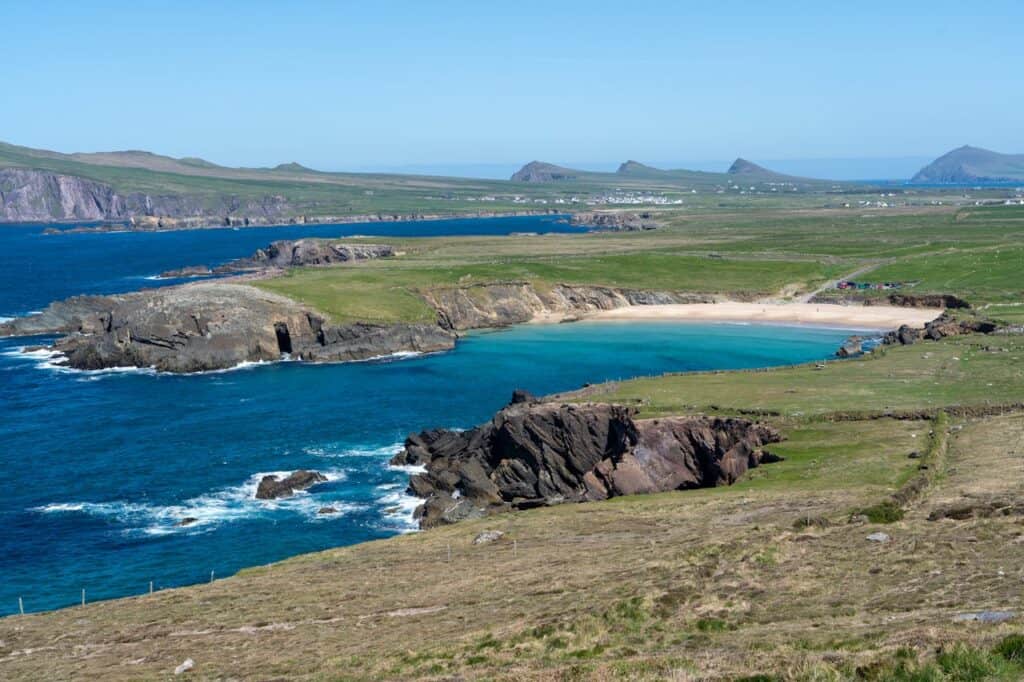
Next, see the Coumeenoole Beach, a gorgeous small beach cove backdropped by cliffs (movie buffs will recognize it from Ryan’s Daughter). We can stop so you can wiggle your toes in the sand or dip a hand in the Atlantic – but mind the currents if you venture into the water. Further along, keep an eye out for beehive huts (clocháns) on the hills – these dry-stone huts are over 1000 years old, remnants of early Christian monks or local farmers. There’s a cluster at Fahan that you can visit for a small fee. The drive winds past Mount Brandon (950m, one of Ireland’s highest peaks) and through Gaelic-speaking villages like Ballyferriter – note the road signs are in Irish here, as this region is a Gaeltacht where Irish Gaelic is the community’s first language.
By early afternoon, loop back toward Dingle town. Stop for a hearty lunch – perhaps sampling Dingle’s famed seafood. Local eateries like Harrington’s or The Chart House serve fresh Dingle Bay fish chowder, oysters, and crab. Don’t miss trying Murphy’s Ice Cream on Strand Street for a unique dessert (their flavors like Irish brown bread or Dingle sea salt have a cult following!).
Afternoon – Dingle Town & Activities: After lunch, enjoy some free time to explore Dingle town on foot. It’s a delight of a town, with stone cottages turned into galleries, music shops (try to catch a tin whistle or fiddle demo at one), and artisan craft boutiques. You might visit St. Mary’s Church or simply wander the atmospheric streets (Strand Street and Green Street are particularly charming). If you’re interested, we can arrange a short boat trip from Dingle Harbor – historically this was to see Fungie the dolphin, the town’s beloved resident dolphin for decades. (Fungie, a wild bottlenose, lived at the harbor entrance and became a local celebrity; sadly he hasn’t been seen since 2020, but boat tours still offer scenic bay trips and sometimes encounter other wildlife like seals or dolphins.)
Another option is a visit to Dingle Oceanworld Aquarium – a small but quality aquarium with a shark tank, penguins and touch pools – fun if you have kids along or if the weather turns rainy. Or, if you’d like a bit more history, take a short drive out to see Gallarus Oratory, an astonishing early Christian stone church (shaped like an upturned boat) dating back over 1,300 years, which amazingly has remained completely waterproof and intact. It’s about 15 minutes outside Dingle and won’t take long to visit, but is a profound little slice of history in a windswept field.
As the afternoon winds down, make sure to sample the local vibe: perhaps pop into Dick Mack’s Pub, an old leatherworker’s shop turned pub, for a pint and a look at its memorabilia-lined walls, or Foxy John’s, a pub that doubles as a hardware store by day. Dingle is renowned for its quirky pubs and a strong traditional music scene.
Evening – Dingle: Tonight, settle in Dingle for an evening of Gaelic hospitality. Dingle has more pubs than you’d think possible for its size – many offering live traditional music sessions every night in summer. After a delicious dinner (maybe try local roast lamb or catch of the day), you can do a mini “pub crawl” to soak up the atmosphere. Venues like O’Sullivan’s Courthouse Pub or An Droichead Beag often have excellent trad bands; you might find yourself tapping your feet to jigs and reels or even dancing with the locals. The town’s musical reputation also means you could encounter impromptu concerts – from street buskers to a singer with guitar by the bar’s fireplace. If you prefer a quieter evening, your B\&B might have a cosy lounge to relax in with a cup of tea or a glass of whiskey from Dingle Distillery.
Accommodation: Dingle Town. Overnight in a charming B&B or small hotel in Dingle, so you can walk everywhere in town. One recommended spot is the Dingle Benner’s Hotel (3★), an historic inn right on Main Street known for its old-world charm and on-site pub. Alternatively, a top-rated B\&B like Greenmount House offers hilltop views over the bay and a renowned breakfast. Dingle’s family-run accommodations are especially welcoming – expect perhaps some homemade bread in the morning and hosts who love to chat about the area. (Because Dingle is small, staying in town means you won’t need the car to go out at night – a nice break for the driver, and allowing everyone to fully enjoy the pubs.)
Approx. Travel: Killarney to Dingle – ~1 hour (70 km) via Conor Pass or N86. Slea Head loop from Dingle – 1 to 1.5 hours driving time (47 km), but budget 3+ hours with stops. Dingle town wandering – on foot. Overall a lighter driving day (~130 km total).
Optional Add-On (Outdoor Adventure): Sea Kayaking with Dolphins – For the adventurous, a sea kayaking excursion in Dingle Bay can be arranged (typically in the morning or late afternoon when seas are calm). Under the guidance of an instructor, paddle along Dingle Harbor’s cliffs and caves, with the chance to encounter wildlife such as dolphins or seals at eye-level. Cost: ~€60 per person (3-hour guided kayak tour, all gear provided). Why Add? It’s an unforgettable way to experience Dingle’s marine beauty – you’ll feel at one with the Atlantic, get some exercise, and maybe even meet Dingle’s new dolphin visitors up close. As a bonus, seeing the town and harbor from the water offers a unique perspective. This add-on caters to the wellness and eco-travel trend, being both low-impact and deeply immersive in nature.
Day 6: Cliffs of Moher & the Wild Atlantic Way to Galway
Get ready for another highlight-packed day, as you traverse north from Dingle to County Clare and on to Galway. Today’s star attraction is the Cliffs of Moher, but the journey is half the fun: you’ll cross the River Shannon by ferry and drive up the wave-sculpted coast of West Clare along the Wild Atlantic Way route. By evening, you’ll be in Galway City, known as Ireland’s capital of arts and music.
Morning – Dingle to County Clare (via Ferry): Depart Dingle after an early breakfast, heading east through the mountains (via the town of Castleisland). In around 2 hours, you’ll reach the River Shannon at Tarbert, Co. Kerry. Here, drive onto the Shannon Car Ferry for a short 20-minute ride across Ireland’s longest river, landing at Killimer in County Clare. (This saves you about 2 hours of driving compared to going via Limerick, and it’s a scenic break – you can get out and enjoy the views from the ferry deck; keep an eye out for seabirds and maybe dolphins that sometimes follow the ferry). Once in Clare, you’re officially on the windy Wild Atlantic Way, heading west along the coast.
Your route will take you by Loop Head Peninsula (a more off-beat scenic area – if time and interest, we could detour to Loop Head Lighthouse for a stunning “edge of the world” view where the Shannon meets the ocean). Otherwise, continue through the heritage town of Kilkee (Victorian seaside resort with a dramatic cliff walk called the Diamond Rocks). Hug the coast via the fishing village of Liscannor, and then turn up towards the day’s main event.
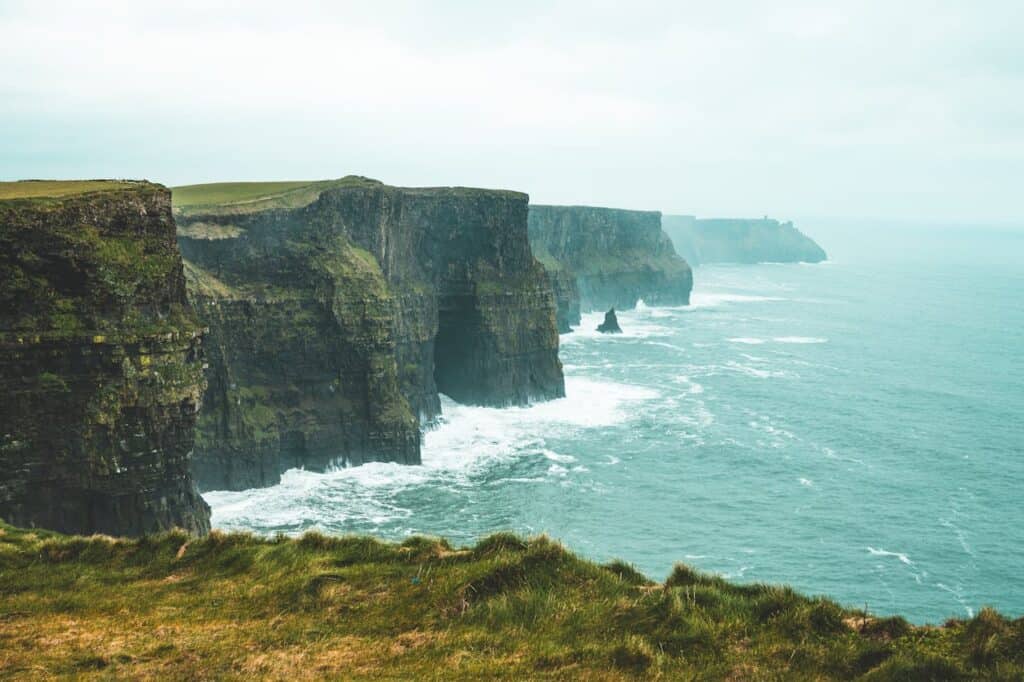
Midday – Cliffs of Moher: Arrive at the Cliffs of Moher around midday, which is perfect timing as some of the morning coach tour crowds will have left. Nothing quite prepares you for your first sight of these cliffs: they rise between 200 and 214 metres (700 feet) above the Atlantic and run for about 8 kilometres, a sheer wall of dark limestone and shale carved by the ages. On a clear day, you can see the Aran Islands out to sea and maybe the mountains of Connemara to the north. Begin at the Cliffs Visitor Centre (built ingeniously into the hillside so as not to spoil the landscape). From there, choose one of the paved cliff-top trails: you can walk to the left toward O’Brien’s Tower (an old stone viewing tower from 1835), which offers a classic photo op with the cliffs stretching behind it. Or walk to the right for stunning views of the sea stack (home to many seabirds). Be sure to stay within the safe viewing areas – the winds can be strong! At the cliffs, you might witness nature in full force: waves crashing below, sea birds wheeling on the updrafts (the cliffs are a protected seabird colony with puffins, guillemots and more nesting in season). It’s a great spot to just breathe the Atlantic air and marvel at Ireland’s raw beauty. If you’d like an even more immersive perspective and weather permits, we can arrange an optional Cliffs of Moher Boat Cruise (departing from Doolin pier nearby) to see the cliffs from the ocean below – a thrilling vantage point where you might spot dolphins or seals. Otherwise, spend about 1.5 hours at the cliffs enjoying the views and exhibits.
Grab a quick bite for lunch either at the cliffs (the visitor center has a café) or in the next village we hit.
Afternoon – Clare to Galway via the Burren: Continue north along the coast through the village of Doolin, a tiny hamlet famous for traditional music (if you were staying overnight, it’s the place to be for pub sessions). Just beyond, the landscape changes into the strange limestone plateau of The Burren – you’ll notice the ground becomes grey and rocky, almost lunar. We’ll drive through the Burren’s edge, perhaps stopping at Poulnabrone Dolmen, a photogenic Neolithic portal tomb over 5,000 years old, standing lonely on the limestone slabs. The Burren region is also known for unique flora (alpine and Mediterranean flowers growing side by side in the grikes) and ancient archaeology. If interested, we can detour to the Burren Perfumery – a lovely little perfumery/tea shop in the heart of the Burren that makes organic perfumes and soaps inspired by local flowers (and serves great herbal tea). Alternatively, stop in the town of Kilfenora to see its famous Celtic crosses, or at Kilmacduagh ruins near Gort (famous leaning round tower), depending on time and preference.
As we approach Galway Bay, you might catch a glimpse of the stark Aran Islands out in the ocean to your left. Pass through the postcard-pretty village of Kinvara, with its thatched cottages and Dunguaire Castle at the water’s edge. Then it’s onward into Galway City. You’ll arrive in Galway by late afternoon. Galway is a vibrant university city known for its cobbled lanes, arts scene, and lively festivals – a stark but delightful change from the rural feel of earlier days.
Evening – Galway City: Check into your Galway accommodation, centrally located so you can easily explore on foot. In the early evening, take a guided walk around the Latin Quarter of Galway. See the Spanish Arch (16th-century arch by the quay), the Claddagh area (old fishing village where the famous Claddagh ring originated), and Shop Street with its buskers and pub facades. Galway has a bohemian vibe – don’t be surprised if you encounter a spontaneous street performance or a group of locals dancing at the Cross Streets intersection. The city is known as Ireland’s cultural capital for good reason.
Tonight, celebrate your final night of the tour in style. There are countless pubs and restaurants. Perhaps start with dinner at a farm-to-table eatery or a classic like McDonagh’s for fish and chips. Then dive into Galway’s renowned pub scene: You might visit Tig Cóilí or The Crane Bar for trad music (Galway rivals Doolin in music prowess), or Taaffes Bar where nightly sessions draw crowds. For a more contemporary scene, pubs like The Quays or Roisin Dubh feature live bands or DJs. If you’re here on a weekend, the energy is fantastic – the streets themselves buzz with music and chatter. And if you fancy a quieter cap to the night, a walk along the Salthill Promenade (just outside the city centre) to inhale the sea air and reflect on your journey is a lovely option. Galway’s friendly locals often say “you’ll be back” – many visitors fall in love with its atmosphere.
Accommodation: Galway City. Stay in a centrally located hotel in Galway (3★ or 4★). Recommended is the Park House Hotel (4★), just off Eyre Square – it’s a Galway institution known for its comfort and excellent service, steps away from the action. Another popular choice is the Harbour Hotel (3★ sup), a modern hotel near the Spanish Arch with views of the docks. Being in the city centre means you can walk to the Latin Quarter’s pubs and sights easily, which is ideal for enjoying Galway’s nightlife without worrying about transport. Rooms will be modern and comfortable, and breakfast likely includes Galway’s signature dish of Irish smoked salmon if you fancy it.
Approx. Travel: Dingle to Killimer (via Tarbert Ferry) – ~2.5 hours drive plus 20 min ferry. Killimer to Cliffs of Moher (via Kilrush, Kilkee, etc.) – ~1.5 hours (~80 km). Cliffs of Moher to Galway – ~1.5 hours (75 km) via Burren route. Overall ~4–5 hours driving plus ferry, broken into segments.
Optional Add-On (Medieval Experience): Bunratty Castle Banquet – If you don’t mind a late arrival to Galway, you can detour after the Cliffs for a unique evening at Bunratty Castle (near Shannon). Here, each night a Medieval Banquet is held in the 15th-century castle’s great hall – complete with costumed hosts, traditional music, mead, and a 4-course feast by candlelight. You’ll be “guests of the Lord of the castle,” enjoying harp and fiddle performances and even a bit of friendly jester’s comedy. Cost: ~€70–€80 per person (dinner + entertainment, wine/mead included). Why Add? It’s a fun, immersive step back in time – as one visitor noted, “the whole experience was tastefully done… made you feel like part of history. Staff sang…and the food was surprisingly very good”. This experience lets you literally dine in a castle, a once-in-a-lifetime memory to top off your trip. If choosing this add-on, we’d adjust our day to reach Bunratty by 5:30pm for the evening banquet, and then drive on to Galway (about 1 hour 15 min from Bunratty) arriving later at night.
Day 7: Galway to Dublin – Slán Abhaile (Safe Home)
All good things come to an end, but not before a pleasant final day. Depending on your departure plans, you may have a bit of time to enjoy Galway in the morning before heading back to Dublin.
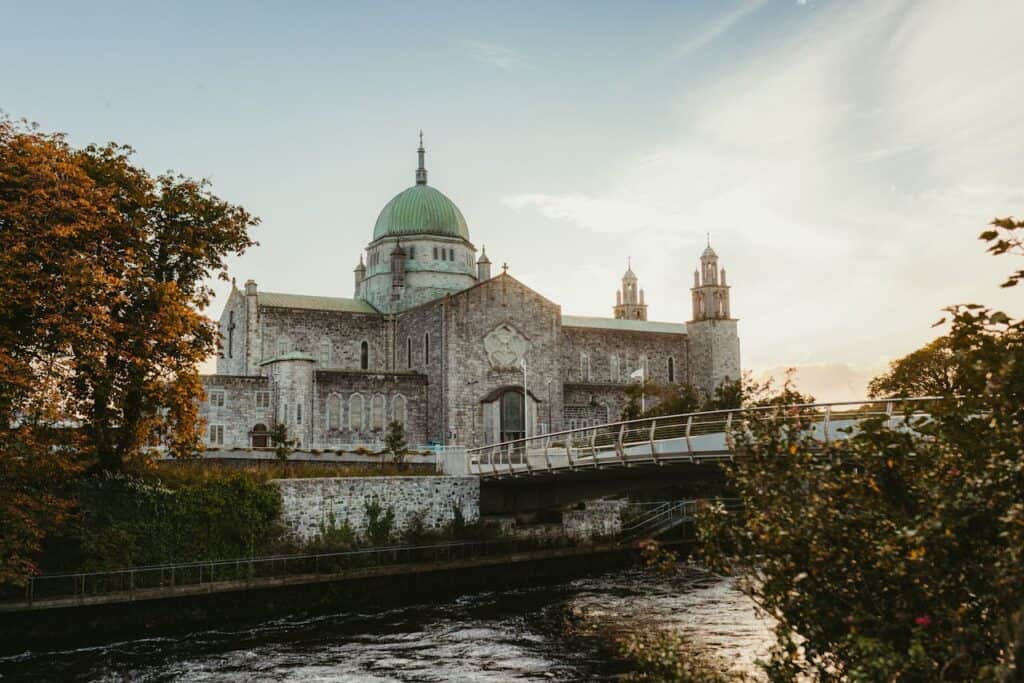
Morning – Galway City or Optional Excursion: Enjoy a leisurely breakfast – Galway has cute cafés if you’d like to step out (try Ard Bia by the Spanish Arch for a cozy setting). If it’s a Saturday, the Galway outdoor market by Church Lane might be open, where you can browse stalls selling local cheeses, pastries, and crafts. You could also visit Galway City Museum (free entry, near the Spanish Arch) for insights into Galway’s maritime history and folklore. Another option: take a short drive (or guided excursion) to Connemara in the morning – for instance, visiting the splendid Kylemore Abbey and its Victorian walled gardens, nestled in Connemara’s mountains (this would require a few extra hours but is doable if you have a late flight or an extra day). Otherwise, soak up Galway’s vibe a little longer – perhaps buying any last-minute souvenirs (Galway is known for Claddagh rings and Aran knitwear among other things).
By mid/late morning, it’s time to depart Galway and head back east. The drive to Dublin is about 2.5 hours via the M6 motorway (approximately 200 km). Sit back and enjoy the ride across the Midlands. You’ll pass by Athlone (a town at the Shannon’s midpoint) and through County Kildare’s flat plains. If everyone’s keen and time allows, we can make one nice stop halfway: Clonmacnoise Monastic Site on the banks of the Shannon. This 6th-century monastery was one of early Ireland’s greatest centers of learning and faith. Today you can wander among its atmospheric ruins – several cathedral and chapel remains, two round towers, and some of the finest high crosses in Ireland – all in a peaceful riverside location. It’s a worthwhile stop to stretch your legs and reflect on the spiritual side of Ireland’s heritage before re-entering the modern bustle.
Afternoon – Return to Dublin: Continue the drive into Dublin, aiming to arrive by mid-afternoon (or as needed for your flight). If you have an evening flight, we will drop you straight at Dublin Airport (approximately 30 minutes north of the city on the M50). If you’re staying on in Dublin, we can drop you at your hotel or another location of choice.
As you say goodbye to your guide and perhaps exchange contacts to share photos later, take a moment to recap the journey: in one week, you’ve experienced Ireland’s bustling capital, monastic valleys and medieval towns, kissed the Blarney Stone, heard tales of high kings at Cashel, marveled at Kerry’s mountains and seascapes, listened to traditional music in Dingle and Galway, and stood atop the Cliffs of Moher as Atlantic waves crashed below. It’s been a true taste of Ireland’s highlights, packed with postcard moments and personal discoveries.
Slán go fóill! – “Goodbye for now” – and we hope Ireland has stolen a piece of your heart. Go n-éirí an bóthar leat – may the road rise to meet you – until your next visit.
Accommodation: N/A (tour ends). If you need an additional night in Dublin, we can certainly help arrange that as well.
Approx. Travel: Galway to Dublin – ~2.5 hours (approx 210 km via highway). If stopping at Clonmacnoise (slight diversion), add a 30 minute detour each way off the motorway. We will ensure you reach Dublin by your required time.
Optional Add-On (En Route to Dublin): Kilbeggan Distillery Tour – To break up the drive and end on a “spirited” note, stop at the Kilbeggan Distillery in County Westmeath. This is Ireland’s oldest licensed whiskey distillery, dating to 1757. Take a short tour of the beautifully preserved workings – old waterwheel, giant copper stills – and enjoy a premium whiskey tasting. Cost: ~€15 per person. Why? A final toast of Irish whiskey is a great farewell to Ireland. Kilbeggan offers a blend of history and flavor; as you sample the smooth triple-distilled whiskey, you can reflect on your journey. It’s also a nice tie-in to Ireland’s sustainable heritage – small-batch distilleries like Kilbeggan keep local craft traditions alive (you’ll be supporting local business and maybe taking home a bottle as a liquid memory). Then, suitably warmed by whiskey, continue to Dublin with a smile.