
Irish whiskey isn’t just something you drink in Ireland, it’s something you experience. It’s medieval “water of life” (uisce beatha), copper pot stills you can feel radiating warmth and the slow patience of whiskey maturing in casks while Atlantic air presses against old stone warehouses. For travellers, it’s one of the easiest ways to connect with Irish culture: a distillery tour, a guided tasting, a snug pub corner, and a good story (or three).
What legally counts as Irish whiskey (and why you should care)
“Irish Whiskey / Irish Whisky / Uisce Beatha Éireannach” is protected as a Geographical Indication (GI) product. In practical terms, that means the name is protected and the spirit must meet specific standards about where and how it’s produced.
Why this matters to travellers: it protects authenticity. When you book a whiskey tour in Ireland or order a tasting flight in a good whiskey bar, you’re tasting a product with a defined identity, not just a marketing story.
A short history of Irish whiskey (with the interesting bits left in)
Irish whiskey has a long, winding story and it includes a few twists that make excellent pub conversation. It’s a tale of tradition and innovation, boom and bust, and a modern revival that has made distillery tourism one of Ireland’s most enjoyable visitor experiences.

Medieval “water of life”
The Irish phrase uisce beatha literally means “water of life”. It’s closely related to the Latin term aqua vitae, used historically for distilled spirits in medicinal contexts. Early distilling in Ireland appears in medieval records and traditions, and it’s one reason people talk about Irish whiskey as something older than the modern brands themselves.
Licences, legends, and coastal distilling
Ireland’s whiskey history isn’t only about cities, coastal regions and rural communities played a huge part too. Some of the most famous whiskey stories are tied to the north coast, where distilling history and dramatic landscapes meet in a way that feels very “Ireland”: windswept, beautiful, and rooted in local pride.
Taxes shaped taste: the roots of single pot still
One of the most distinctive and uniquely Irish whiskey styles, single pot still, didn’t appear by accident. Historical economic pressures encouraged distillers to use both malted and unmalted barley. Over time, that mash evolved into a signature style known for a creamy mouthfeel and a gentle peppery spice.
This is one of the best examples of Irish culture showing up in flavour: practical decisions turning into tradition.
Irish innovation changed global distilling
Ireland also contributed major technological innovation to distilling history. In the 19th century, Irish-developed continuous distillation methods helped make grain spirit production more efficient, shaping the way modern whiskey could be produced at scale, especially for blends.
Decline… and then the modern revival
Irish whiskey once had enormous international influence, then faced serious decline across parts of the 20th century due to a mix of political, economic, and market forces. The modern chapter is a comeback story: new distilleries, new independent producers, growing visitor experiences, and a confident return of Irish whiskey to the global stage.
For travellers, this revival is brilliant news. You can now find whiskey experiences in cities, small towns, coastal communities, and unexpected corners of the island, meaning you can fold tastings into almost any itinerary.
Uisce beatha: the Irish language behind “whiskey”
This is one of the nicest details visitors remember: uisce beatha (pronounced roughly ish-ka ba-ha) means “water of life.” It’s the Irish phrase connected to the word “whiskey”.
If you want a simple Gaeilge cheat sheet for tastings:
- Uisce beatha (ish-ka ba-ha) – “water of life”
- Sláinte! (slawn-cha) – “health!” (the classic toast)
- Taoscán (tass-kawn) – a small measure / a dram
- Deoch an dorais (dyuck un dur-ish) – “the drink of the doorway” (a farewell drink)
Try it once in a pub and you’ll usually get a smile, even if your pronunciation is a bit… international.
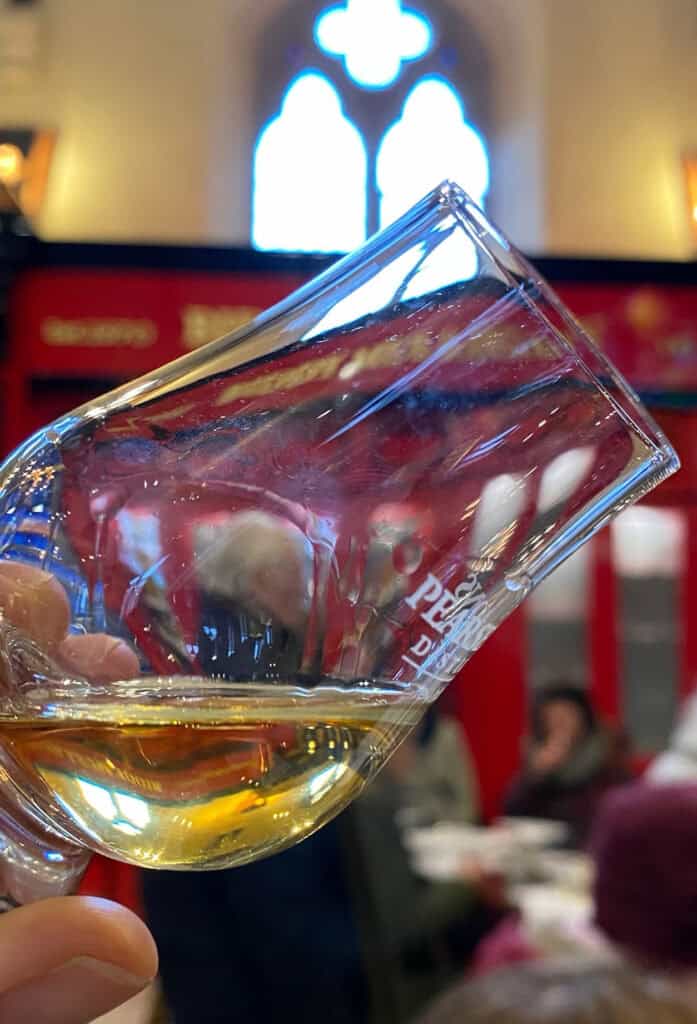
Why Irish whiskey tastes different?
Many visitors describe Irish whiskey as smooth, balanced, and easy to enjoy neat. That reputation isn’t random, it often comes down to three things: distillation choices, ingredient traditions, and maturation.
1) Distillation choices (triple is common, but not universal)
Triple distillation is strongly associated with Irish whiskey and often produces a lighter spirit with a soft mouthfeel. That said, not all Irish whiskey is triple distilled, some distilleries choose double distillation to preserve a weightier, richer character.
Translation: “Irish whiskey is smooth” can be true, but it can also be bold, spicy, fruity, or deeply oak-driven depending on style and producer.
2) The single pot still factor
Single pot still whiskey is a uniquely Irish signature. The mix of malted and unmalted barley often creates that creamy texture and gentle spice that whiskey lovers travel for.
3) Maturation in a mild maritime climate
Ireland’s moderate climate supports steady maturation, many whiskeys feel rounded and integrated rather than sharply oak-dominant. (Cask choices still matter a lot, of course, which brings us to the next section.)
Irish whiskey styles

Once you understand the main categories, tastings become far more fun, because you know what you’re comparing.
Single Pot Still Irish Whiskey (Ireland’s signature style)
What it is: Pot still whiskey from a mash containing both malted and unmalted barley (and sometimes other unmalted cereals).
What it tastes like: Creamy mouthfeel, baking spice, orchard fruit, toasted cereal notes.
Why travellers love it: It tastes distinctly Irish. If you want the “I’m really in Ireland” pour, this is it.
Single Malt Irish Whiskey
What it is: Typically made from 100% malted barley and distilled in pot stills at a single distillery.
What it tastes like: Fruit-forward and honeyed, sometimes floral; can become richer with sherry or wine cask influence.
Single Grain Irish Whiskey
What it is: Often produced in column stills using a mix of cereals, creating a lighter spirit.
What it tastes like: Vanilla, coconut, gentle sweetness, soft oak. Often extremely approachable.
Blended Irish Whiskey
What it is: A blend of different Irish whiskey styles (commonly grain + pot still and/or malt).
What it tastes like: Balanced, versatile, excellent value – great neat, on ice, or in cocktails.
How Irish whiskey is made?
If you’ve ever wondered what you’ll actually see on a distillery tour in Ireland, this is the basic arc. Understanding it helps you notice what makes one distillery’s “house style” different from another.

Step 1: Mashing: Grain is milled and mixed with warm water to extract fermentable sugars. This creates a sweet liquid (often called wort) that becomes the base for fermentation.
Step 2: Fermentation: Yeast turns the sugary liquid into a beer-like “wash”. This step creates more flavour than many people expect: fruitiness, floral notes, and a core character that distillation later refines.
Step 3: Distillation: Distillation concentrates alcohol and shapes flavour. Pot still distillation tends to preserve richer, cereal-led character; column distillation often creates a lighter spirit.
Distillers also control the “cut”, deciding which part of the distillate becomes whiskey and which does not. If you’re on a tour, this is the moment to ask questions. A good guide will explain the distillery’s choices: still shape, copper contact, cut points, and whether they aim for light and elegant or robust and spicy.
Step 4: Maturation (minimum 3 years): This is where time does its quiet work. Whiskey matures in wooden casks, becoming smoother and more complex as it takes on flavour from the wood and interacts with the air around it.
Step 5: Blending and bottling: Some whiskeys are bottled as single-style expressions; others are blended for balance. The key traveller takeaway: two whiskeys can share the same base spirit but taste completely different depending on cask type and finishing.
Casks, finishes, and maturation: the flavour engine
If distillation creates the “shape” of a whiskey, the cask adds colour, depth, and personality. Irish whiskey maturation often uses a variety of cask types, and “finishes” (a shorter period in a second cask) are especially popular because they add a new layer without completely rewriting the whiskey’s character.
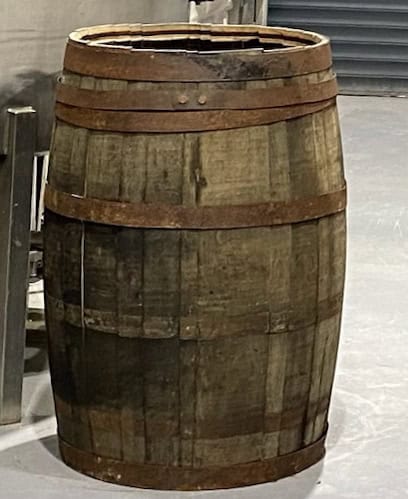
Common cask types you’ll meet
- Ex-bourbon barrels: vanilla, caramel, coconut, soft oak
- Sherry casks: dried fruit, nuts, baking spice, rich sweetness
- Port casks: berry notes, jammy fruit, gentle tannin
- Wine casks: fruit-forward character, structure, sometimes a dry elegant finish
How to taste Irish whiskey?
You don’t need expensive vocabulary or a serious face. You need a simple method and permission to enjoy what you enjoy.
Look: Colour can hint at cask influence, but it’s not proof of age or quality.
Nose first: Bring the glass to your nose gently and take short sniffs with your mouth slightly open. Try broad categories: fruit, vanilla, spice, cereal, nuts, chocolate.
First sip: small: Take a small sip and let it coat your tongue. This “calibrates” your palate to the alcohol.
Second sip: pay attention to texture: Notice mouthfeel: creamy, oily, light, drying. Irish whiskey often shines here, especially in single pot still styles.

Add a few drops of water: Water can open aromas dramatically. It’s not cheating, it’s common practice in tastings.
Where to go for whiskey tastings and distillery tours in Ireland
There are two ideal ways to explore Irish whiskey as a visitor:
Distillery visitor experiences (best for seeing the craft)
Distillery tours are ideal if you want the full “from grain to glass” story: mash house, stills, warehouses, and guided tastings that teach you what to notice. They’re also a great way to buy distillery exclusives you may not find at home.
Whiskey bars (best for variety in a short time)
A great whiskey bar lets you compare styles side-by-side: single pot still vs single malt vs grain, plus different cask finishes. If you’re only in Dublin for a short break, a guided bar tasting can deliver a surprising amount of insight in one evening.
A travel tip that always works
Pair whiskey with scenery. A tasting is brilliant, but a tasting after a Wicklow viewpoint, a coastal walk, or a heritage stop feels even more “Ireland.”
Whiskey-friendly day tour ideas
The best whiskey days in Ireland are balanced: a little history, a little landscape, a proper lunch and a tasting that feels earned, not rushed. Here are a few easy-to-love formats visitors choose.
Option A: Dublin whiskey afternoon (no long drives)
- Start with a city-based whiskey experience (guided tour + tasting)
- Follow with a curated tasting flight focused on single pot still
- Finish with dinner in a neighbourhood with a great food scene
Who it suits: short stays, city breaks, first-time visitors.
Option B: Wicklow day trip + a whiskey finish back in Dublin
- Morning in the Wicklow Mountains (lakes, viewpoints, fresh air)
- Lunch in a cosy country pub
- Evening whiskey tasting back in Dublin
Who it suits: travellers who want classic Ireland scenery plus a whiskey moment.
Option C: Heritage + whiskey (for people who love stories)
- Morning heritage stop (monastic sites, castles, historic towns)
- Local artisan food stop (coffee, chocolate, bakery, or market)
- Whiskey tasting with a focus on history and cask finishes
Who it suits: travellers who want “Ireland’s story” alongside the whiskey.
 Get in touch to include Irish whiskey in your Ireland itinerary
We can help you build a private, driver-guided day that fits your travel style: Wicklow views, heritage stories, great local food, and a carefully chosen tasting to finish.
Buying a bottle of Irish Whiskey: a souvenir without regret
Bringing home a bottle is one of the best travel souvenirs, because when you open it months later, you’re right back in Ireland for a moment. Here’s how to buy well. Look for distillery exclusives: many distilleries have visitor-centre exclusives: special cask finishes, limited releases, or higher-strength bottlings that are harder to find abroad.
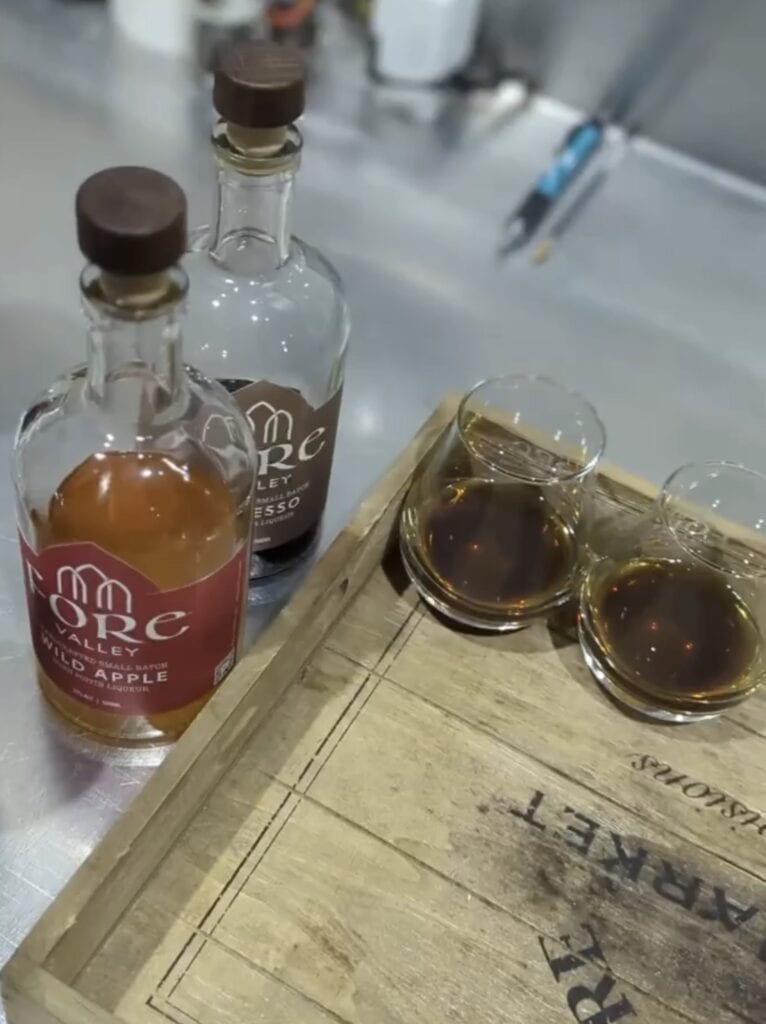
Choose a style, not just a brand
- Love creamy texture and spice? Choose single pot still.
- Prefer fruit and honey? Choose single malt.
- Want gentle vanilla sweetness? Try single grain.
- Want a reliable all-rounder? A quality blend can be excellent value.
Ask the best question:
Instead of “what’s your best bottle?”, ask:
“What’s a bottle here that tastes different from what I normally drink?”
FAQ: Irish whiskey questions travellers always askIs Irish whiskey always triple distilled?
No. Triple distillation is traditional and common, but some Irish whiskeys are double distilled depending on house style.
How long is Irish whiskey aged?
Irish whiskey is matured for at least three years in wooden casks. Many premium expressions are aged significantly longer.
What is single pot still Irish whiskey?
A uniquely Irish style made from a mash containing both malted and unmalted barley, distilled in pot stills. Expect a creamy mouthfeel and gentle spice.
What’s the best Irish whiskey experience if I’m based in Dublin?
A city-based experience (tour + tasting) plus a whiskey bar tasting flight is a great Dublin combo. If you want scenery too, pair a Wicklow day trip with an evening tasting back in the city.
What does “uisce beatha” mean?
It means “water of life” in Irish.
Leave a Reply