The Ultimate Guide to Irish Food & Cuisine, History and Traditions
Imagine sitting by a crackling turf fire in a thatched cottage along Ireland’s rugged coast, the scent of simmering stew mingling with the salty Atlantic breeze. A bowl of hearty Irish stew arrives, steam rising from tender lamb, potatoes, and onions – simple ingredients transformed into something profoundly comforting. This is Irish food & cuisine at its core: unpretentious, rooted in the land, and woven into the fabric of daily life and ancient traditions. For travelers exploring the Emerald Isle, food isn’t just sustenance; it’s a portal to Ireland’s resilient history, from prehistoric foragers to famine survivors and modern culinary revivalists. Whether you’re wandering Dublin’s bustling markets or venturing into the Wild Atlantic Way, understanding Irish cuisine’s origins and best dishes will enrich your journey. Join us as we delve into the flavors that have sustained generations.
The Roots of the Recipe: A Brief History of Irish Food
Irish cuisine’s story spans over 9,000 years, shaped by the island’s fertile soil, temperamental climate, and waves of invaders who brought new ingredients and techniques. It’s a tale of adaptation, frugality, and innovation, where simple foods like potatoes and oats became symbols of survival and identity.
Prehistoric Beginnings: Hunter-Gatherers and the First Farmers
The earliest inhabitants of Ireland, arriving around 8000 BC during the Mesolithic period, were hunter-gatherers who relied on the island’s abundant natural resources.
Archaeological evidence from sites like Mount Sandel in County Derry reveals a diet heavy in wild foods: hazelnuts, wild boar, fish from rivers like the Shannon, and shellfish gathered from rocky shores.
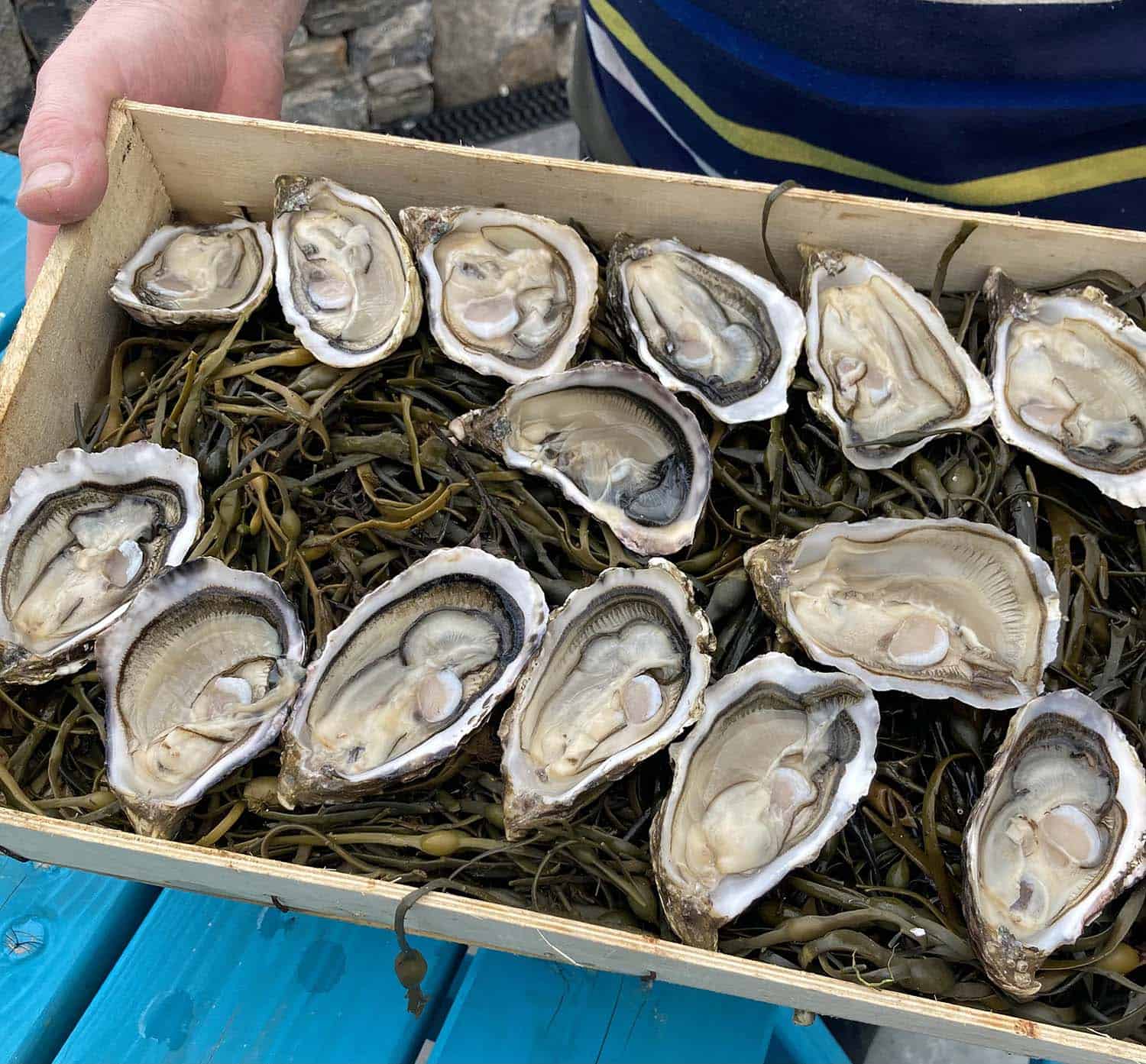
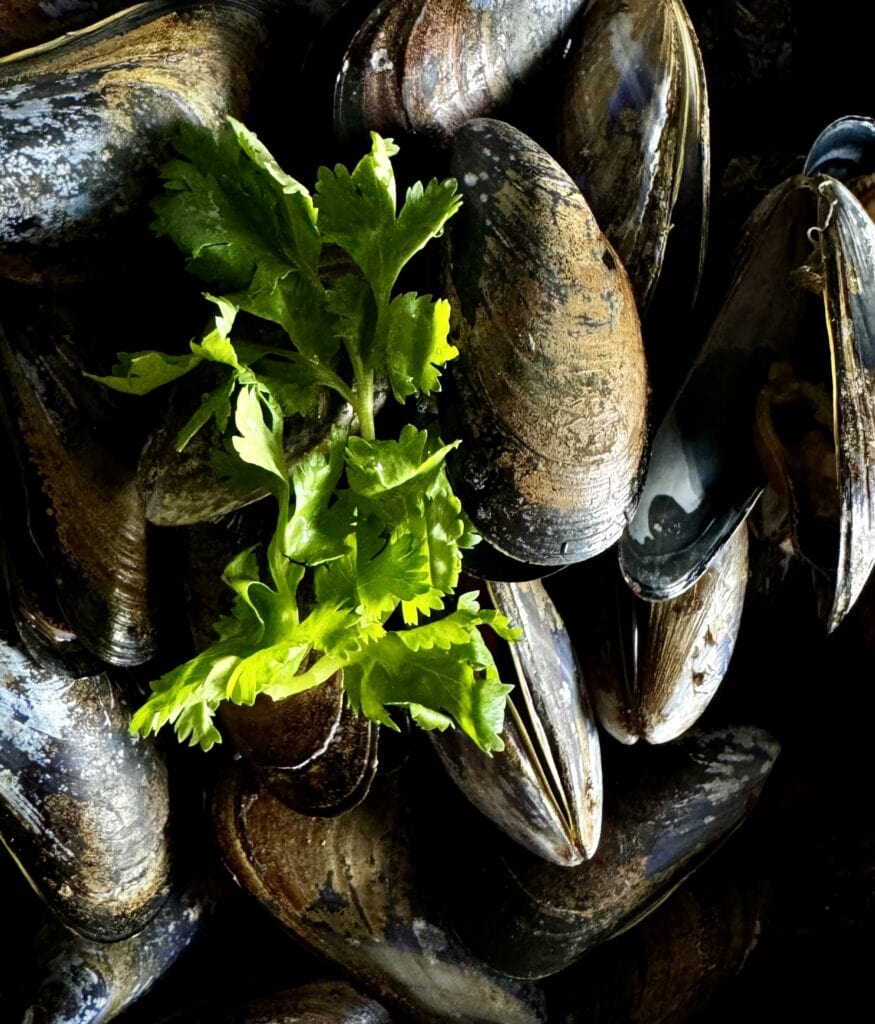
Oysters, mussels, and scallops were staples, foraged easily along the coastline – a practice that echoes in today’s fresh seafood offerings.
The earliest inhabitants of Ireland, arriving around 8000 BC during the Mesolithic period, were hunter-gatherers who relied on the island’s abundant natural resources. Archaeological evidence from sites like Mount Sandel in County Derry reveals a diet heavy in wild foods: hazelnuts, wild boar, fish from rivers like the Shannon, and shellfish gathered from rocky shores. Oysters, mussels, and scallops were staples, foraged easily along the coastline – a practice that echoes in today’s fresh seafood offerings.
By the Neolithic era (around 4000 BC), farming transformed the landscape. Ireland’s mild, wet climate proved ideal for dairying, and cattle became central to life. Milk, cheese, and butter (often buried in bogs for preservation – more on that later) formed the “white foods” or banbidh that dominated early diets. Grains like barley and oats were ground into porridges or flatbreads, baked on hot stones. Excavations show evidence of fulachtaí fia – ancient cooking pits where stones were heated in fires and dropped into water-filled troughs to boil meat or vegetables. This method, used for venison or beef, highlights the ingenuity of prehistoric cooks.
Celtic influences arrived around 500 BC, bringing iron tools that improved farming. Pork emerged as a prized meat, with wild pigs roaming oak forests. Early literature, like the Ulster Cycle myths, describes feasts of roasted meats, mead (fermented honey), and bragget (a spiced ale). Drinking was hierarchical: wine for princes, mead for nobles, and ale for commoners. These ancient traditions laid the groundwork for Ireland’s communal eating culture, where food was shared during festivals tied to the seasons.
Medieval and Norman Influences: Monks, Vikings, and the Rise of Grains
Christianity’s arrival in the 5th century brought monastic communities that advanced agriculture. Monks cultivated gardens with herbs, apples, and leeks, introducing new preservation techniques like salting fish. Viking raids from the 8th century added Scandinavian flavors, such as smoked salmon and pickled herring, while their settlements in Dublin and Waterford boosted trade in spices and wines.
The Norman invasion in the 12th century marked a shift. They introduced intensive farming, orchards, and game like deer.
Bread became more refined, with wheat for the elite and oats for the masses.
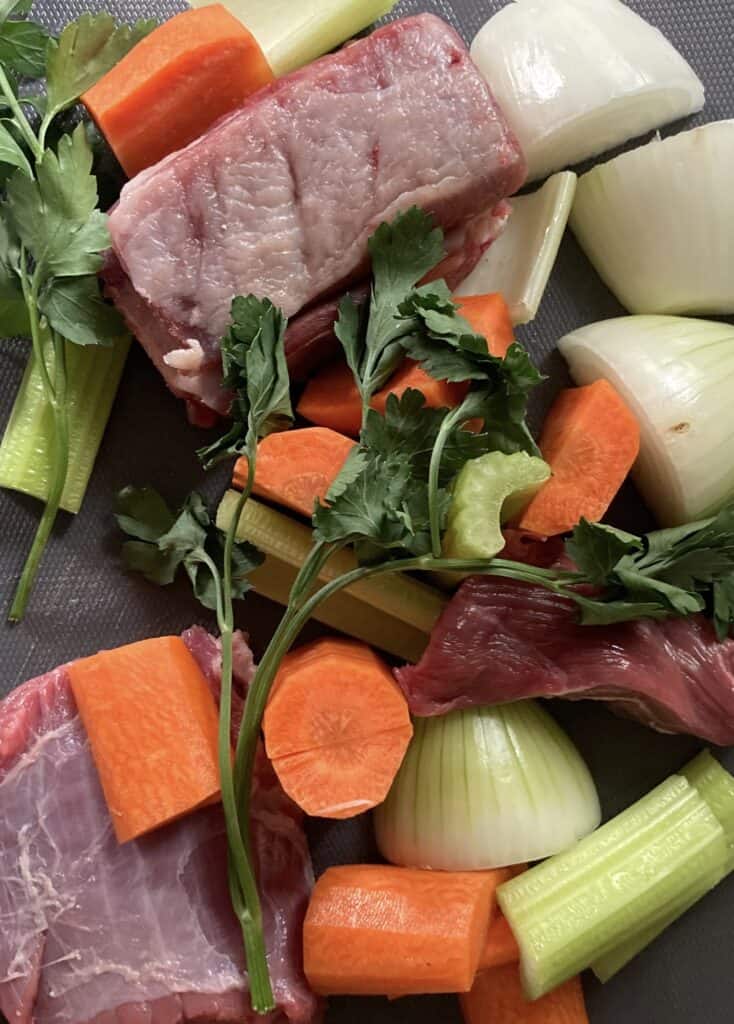
Pork remained king among meats – every part of the pig was used, from bacon to black pudding (blood sausage).
Cabbage, introduced by the Normans, paired with boiled bacon to create a dish still beloved today.
Medieval texts describe lavish banquets, but for most, meals were humble: oatcakes, buttermilk, and seasonal greens.
The Potato Revolution and the Tudor Conquest
The Tudor conquest in the late 16th century overhauled Ireland’s food system, promoting grain exports and enclosing lands. But the real game-changer was the potato, introduced from South America around 1580 by explorers like Sir Walter Raleigh. Thriving in Ireland’s cool, damp soil, it became a staple by the 1700s, providing high yields on small plots. Families could survive on potatoes and buttermilk alone, leading to population growth.
This era saw the birth of iconic dishes like colcannon (mashed potatoes with cabbage) and boxty (potato pancakes). Seafood flourished in coastal areas, with herring salted for winter. However, reliance on the potato set the stage for tragedy.
The Great Famine and Its Aftermath
The potato blight of 1845-1852 devastated crops, causing the Great Famine (An Gorta Mór). Over a million died, and another million emigrated, forever altering Irish cuisine. Post-famine, diets diversified with more grains, meats, and imports. Emigrants in America popularized “corned beef and cabbage” – actually using cheaper corned beef instead of traditional bacon.
The 20th century brought revival. Independence in 1922 sparked interest in native foods, while EU membership in 1973 boosted artisan cheeses and seafood exports. Today, Irish cuisine blends tradition with innovation: farm-to-table movements highlight organic lamb, Atlantic salmon, and craft beers. Chefs like Darina Allen at Ballymaloe Cooking School champion slow food, drawing on ancient techniques.
Interesting Facts and Quirky Traditions about Irish Food & Cuisine
Irish food culture is steeped in folklore and social customs. Here are a few things you might not know:
- The Power of Irish Butter: Irish butter is famous worldwide for its golden hue. This comes from the high beta-carotene content in the grass our cows eat. In ancient times, butter was so valuable it was offered to the gods; archaeologists still find “bog butter”, perfectly preserved barrels of butter buried in peat bogs thousands of years ago!
- The “Cure” for Everything: In Ireland, a “Full Irish Breakfast” isn’t just a meal; it’s a social ritual and the legendary “cure” for a long night in the pub.
- Bread Folklore: When baking traditional Soda Bread, it is customary to cut a cross into the top of the loaf. Some say it’s to help the bread rise, but the old folks will tell you it’s to “let the fairies out” so they don’t hex your baking.
- Halloween Origins: Halloween (Samhain) started in Ireland. Traditionally, we eat Barmbrack (a fruited bread) on this night. Inside the bread, various objects are hidden to predict your future: a ring for marriage, a coin for wealth, or a piece of cloth for bad luck!
The Icons: Best Traditional Irish Dishes You Must Try
If you are traveling through the Wild Atlantic Way or the Hidden Heartlands, these are the dishes that define the Irish experience.
1. The Irish Stew (Stobhach Gaelach)
The quintessential comfort food. Traditionally made with mutton (older sheep), onions, and potatoes, it was a slow-cooked meal designed to tenderize tough meat. Modern versions often use lamb and add carrots and herbs like thyme and parsley. It is thick, hearty, and tastes like a warm hug on a rainy day.
2. Boxty (Bacstaí)
Boxty is a traditional Irish potato pancake. The name comes from the Irish phrase arán bocht tí, meaning “poor house bread.” It’s a unique blend of grated raw potato and mashed potato, mixed with flour and buttermilk, then fried. It can be served as a wrap with savory fillings or as part of a breakfast.
3. Coddle (The Dublin Specialty)
If you find yourself in Dublin, you must try Coddle. Historically a “working-class” dish, it was made to use up leftovers before the Catholic tradition of no meat on Fridays. It consists of layers of sausages, rashers (bacon), onions, and potatoes steamed in a flavorful broth. It’s not the most photogenic dish, but the flavor is legendary.
4. Colcannon and Champ
Potatoes are the stars here. Colcannon is mashed potatoes mixed with kale or cabbage and plenty of butter. Champ is similar but uses chopped scallions (spring onions). These dishes represent the heart of Irish home cooking—simple, filling, and nutritious.

5. Seafood Chowder
With over 3,000 miles of coastline, Ireland’s seafood is unparalleled.
A proper Irish Seafood Chowder is thick, creamy, and loaded with chunks of salmon, cod, haddock, and shellfish.
It is almost always served with a thick slice of brown soda bread spread with salted Irish butter.
6. The Full Irish Breakfast
This is the ultimate morning feast. It typically includes:
- Rashers (back bacon)
- Sausages
- Black Pudding (made with blood and barley)
- White Pudding (similar to black but without blood)
- Fried Eggs
- Grilled Tomatoes
- Mushrooms
- Baked Beans (a more modern addition)
- Soda Bread or Fried Bread
7. Barmbrack (Bairín Breac)
A “speckled loaf” made with sultanas and raisins that have been soaked in cold tea (and sometimes whiskey) overnight. It’s best served toasted with a thick layer of butter alongside a cup of Barry’s or Lyons tea.
Drinks: More Than Just Guinness
While a pint of the “Black Stuff” is essential, the Irish beverage landscape is vast.
- Whiskey (Uisce Beatha): The word “whiskey” comes from the Irish Uisce Beatha, meaning “Water of Life.” Ireland is home to some of the oldest distilleries in the world (like Bushmills and Jameson). Today, craft distilleries are popping up all over the country, offering unique finishes in sherry, bourbon, and even wine casks.
- Tea: The Irish drink more tea per capita than almost anyone else (competing closely with the British and Turks). In Ireland, tea is the solution to every problem. Whether you’ve had a bad day or a great one, the kettle is always on.
- Craft Cider: With the abundance of apple orchards in counties like Armagh and Tipperary, Irish craft cider has seen a massive surge in popularity. It’s crisp, refreshing, and the perfect summer drink.
Tips for Foodies Visiting Ireland
- Look for the “Euro-Toques” or “Good Food Ireland” Signs: These stickers on restaurant windows indicate a commitment to using local, seasonal, and artisanal Irish ingredients.
- Visit the Markets: The English Market in Cork and St. George’s Market in Belfast are sensory delights. You can sample local honey, dulse (dried seaweed), and handmade chocolates.
- Don’t Fear the Pudding: Many visitors are hesitant to try Black Pudding. Don’t be! It’s a savory, spiced delicacy that is a vital part of the Irish flavor profile.
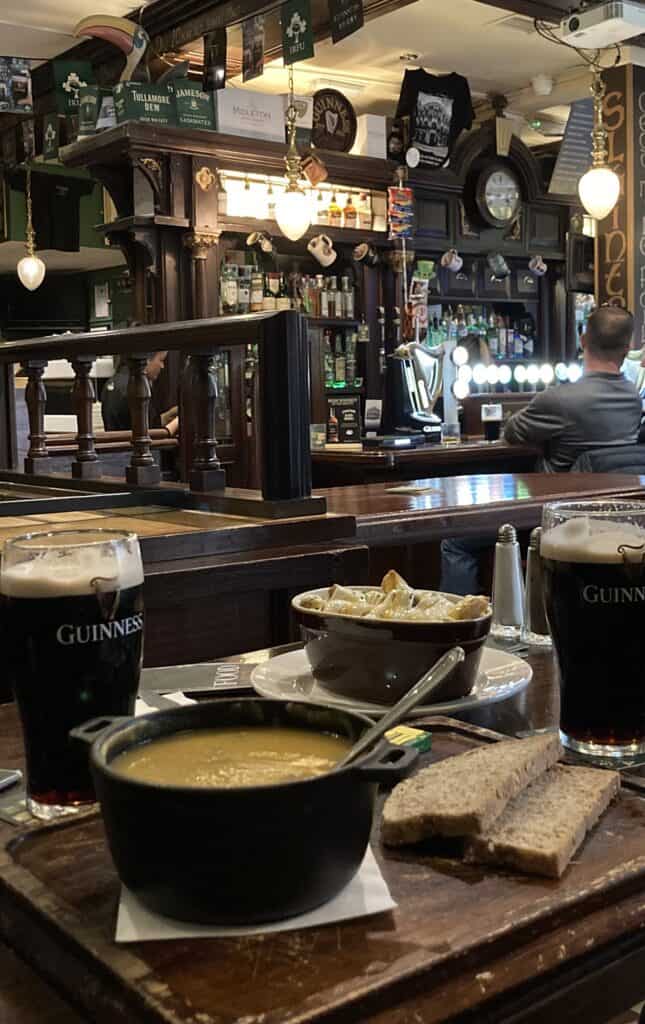
- Eat in the Pub: Some of the best food in Ireland isn’t found in white-linen restaurants, but in cozy pubs with a roaring fire. Look for “Gastro-pubs” for a high-end take on traditional comfort food.
Irish Food Traditions and Customs
Food in Ireland is tied to rituals and seasons. St. Brigid’s Day features butter churning and cross-making. Easter brings lamb roasts. Midsummer bonfires pair with berry picking. Christmas: spiced beef and plum pudding.
Weddings: Goose or ham, with cake-cutting ceremonies. Funerals: Wakes with tea, sandwiches, and whiskey.
Pub culture: “Craic” with pints and crisps (potato chips). Farmers’ markets preserve local traditions.
A Seat at the Irish Table
Irish cuisine is an invitation. It’s an invitation to slow down, to appreciate the quality of the ingredients, and to share a story over a meal. Whether you’re tucking into a bowl of stew in a mountain tavern or enjoying Michelin-starred dining in Dublin, you are tasting the history and heart of the Emerald Isle.

Leave a Reply