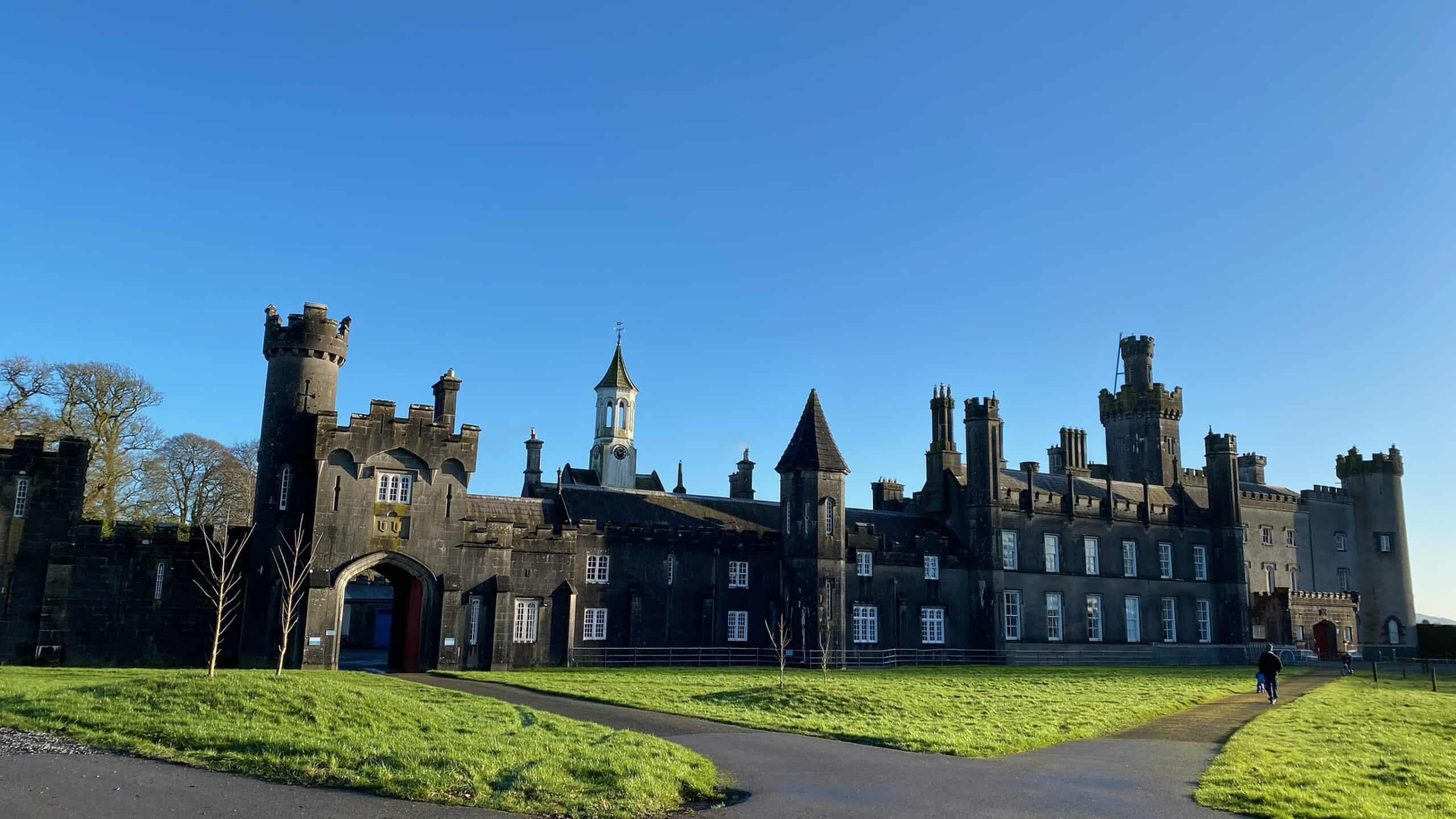
Irish castle hotel stays blend two experiences that travellers rarely get together: living history and modern comfort. Think centuries-old stone walls, walled gardens, lake views, and candlelit dining, paired with spa facilities, concierge service, and curated activities.
Ireland’s castle hotels range from ultra-luxury, globally recognised resorts to more accessible properties where the “castle atmosphere” is the headline feature. Ratings and terminology can vary, so it’s worth understanding how Irish hotel classification works and what a property means when it says “castle hotel.”
Why Ireland has so many castles?
Ireland’s “castle landscape” is layered: built (and rebuilt) over centuries for defense, power, and prestige. Early castles in Ireland are strongly associated with the Anglo-Norman period, when earthwork fortifications and timber castles (including motte-and-bailey forms) spread rapidly and then gave way to stone structures.
A key nuance: castles were not exclusively “imported.” Irish chronicles record castle-building by Gaelic kings before the Anglo-Norman conquest fully took hold, showing that castle-building also became a tool in native power politics.
From the later Middle Ages onward, Ireland saw an enormous building industry of smaller fortified residences, especially tower houses, many of which survive today as evocative ruins (and occasionally as the backbone of modern hospitality conversions).
By the 18th and 19th centuries, new “castellated” country houses and Gothic Revival remakes leaned into romance and lineage as much as fortification, an architectural pivot that helps explain why many castle hotels feel like a blend of medieval mood and Victorian drama.
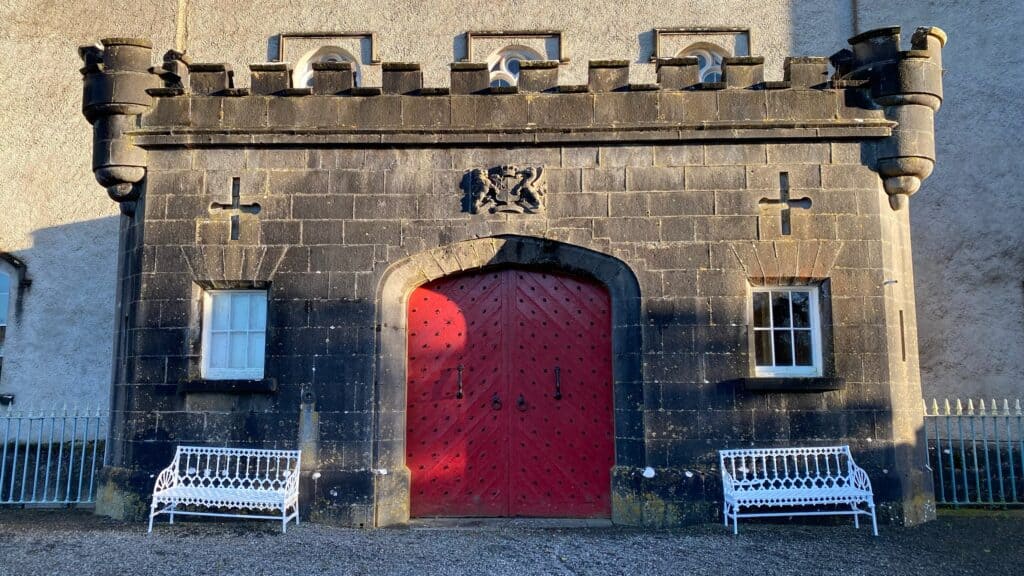
Irish castle hotel stays across the island
Castle stays are popular enough that Irish tourism bodies regularly publish “castles to stay in” roundups and the big takeaway is variety: from private-island castles to rural estates with falconry, equestrian programs, and full destination-spa setups.
One reason this category works so well in Ireland is simple scale: Discover Ireland notes there are “more than 30,000 castles” across the country, ranging from small towers to sprawling estates, so the “castle” concept spans many building types and eras.
What “star rating” means for Irish castle hotels
In the Republic of Ireland, hotel registration and classification are tied to Fáilte Ireland under tourism legislation, and hotels can be classified from 2-star to 5-star when they meet criteria for those levels.
Tourism Ireland also explains accommodation classification to help visitors interpret star symbols and what they generally indicate about service and facilities.
Because castle hotels often market “luxury level” as much as “star level,” some properties emphasize experience (spa, golf, estate activities, exclusivity) more than a star badge, so in the comparison table below, “Star rating or luxury level” is used exactly as requested.
What you typically get with an Irish castle hotel stay
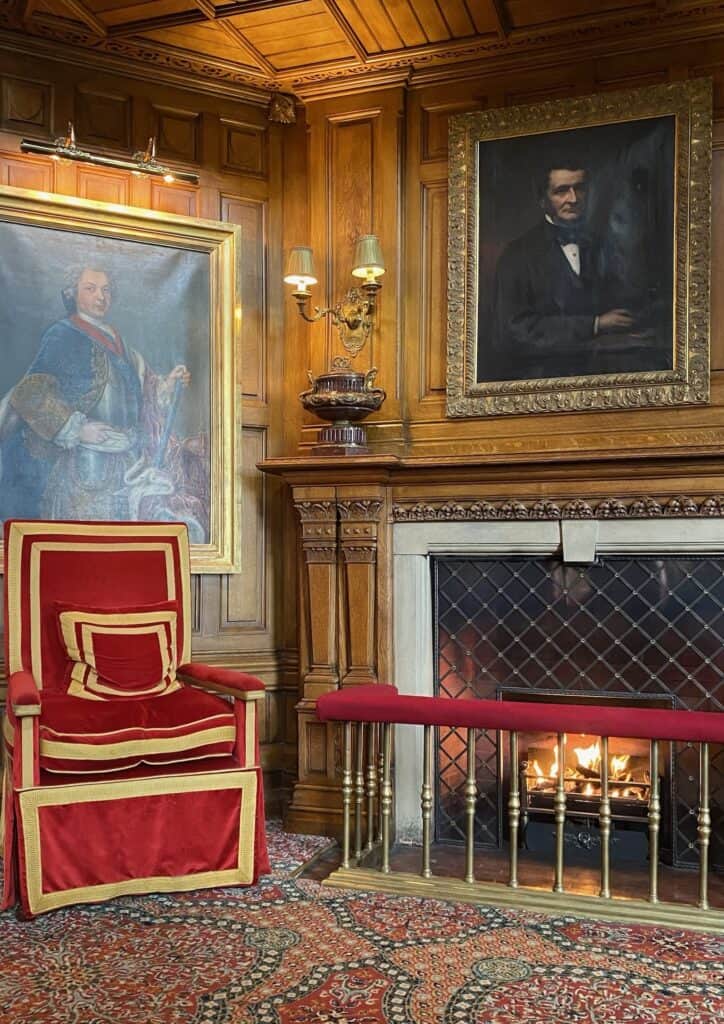
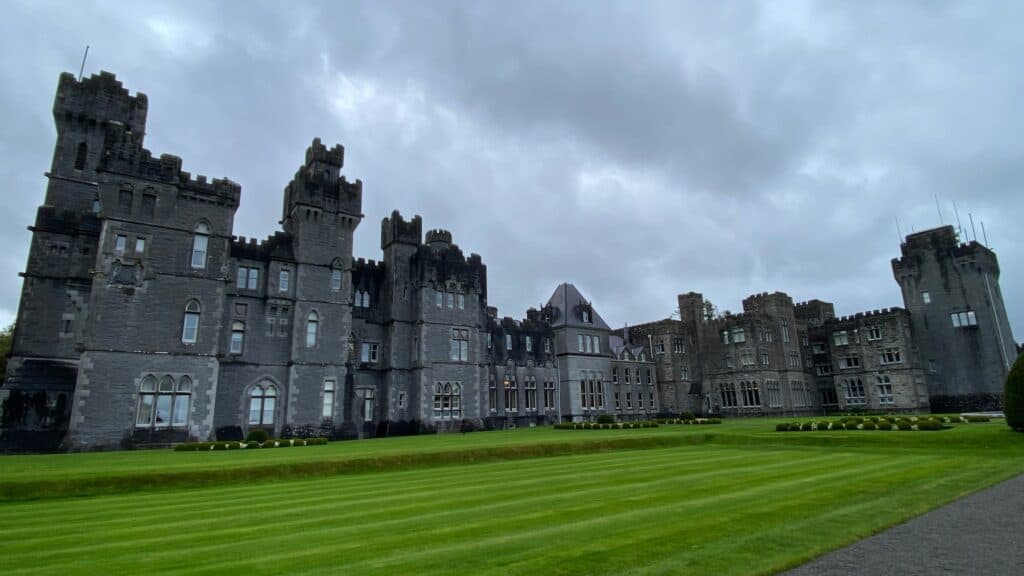
Most castle hotels lean into “ultimate heritage comfort”: elegant rooms (often with period details), destination dining, landscaped grounds, and curated experiences that make the property feel like its own micro-destination. What changes most dramatically by property is the “activity personality.” For example, one flagship experience at Ashford Castle is falconry, explicitly marketed as an estate highlight.
Golf-and-spa castle resorts are another distinct subcategory: Dromoland promotes golf with a five-star clubhouse and leisure facilities, while Waterford Castle positions itself as a private-island golf resort with a car ferry crossing as part of the ritual.
Traditions, folklore, and ghost stories
Irish castle culture is partly architectural and partly storytelling. Many castle hotels actively preserve (and lovingly dramatise) local tradition through onsite tours, legend-focused marketing, and themed spaces like “dungeon bars” or monk-themed cafés.
The “blood red rose” tradition and Ballyseede’s resident ghost
One of the best examples of a hotel keeping folklore alive is Ballyseede’s own account of a midsummer tradition where a single red rose was exchanged as a symbolic “ground rent,” and how that story ties into the property’s ghostly legend.
Mainstream Irish travel writing notes that “ghost tourism” can be a real motivator for bookings at heritage properties, Ballyseede included, and that guests are sometimes drawn specifically by the hotel’s “resident ghost” reputation.
When incorporating ghost stories into your itinerary, treat them as folklore: part of the atmosphere and the fun, rather than something you need to “prove.” This mindset keeps the experience playful and culturally respectful.
The Wizard Earl and the “returning rider” legend
Castle stays are also a natural place for “return legends” – stories that tie place and identity together. Kilkea Castle’s own press materials reference the Wizard Earl tradition: a figure said to revisit the castle once every seven years.
Legends like this often reflect how Irish aristocratic history has been remembered and retold locally: not just as dates and titles, but as personality, rumor, and symbolic return.
Forbidden-love tales at Cabra
Cabra Castle’s blog also leans into gothic romance with a “secret love” story involving a servant girl named Sarah, presented explicitly as a castle legend.
For travelers, these narrative threads can be more than entertainment: they’re a prompt to slow down, take an evening drink by the fire, and enjoy the “castle pace” that makes a heritage stay feel different from a standard luxury hotel night.
Practical planning and booking
A castle stay can either feel like a “one-night splurge” or like the emotional anchor of an itinerary. The difference usually comes down to logistics: when you go, how you route, and whether you book experiences early.
Best seasons for an Irish castle stay
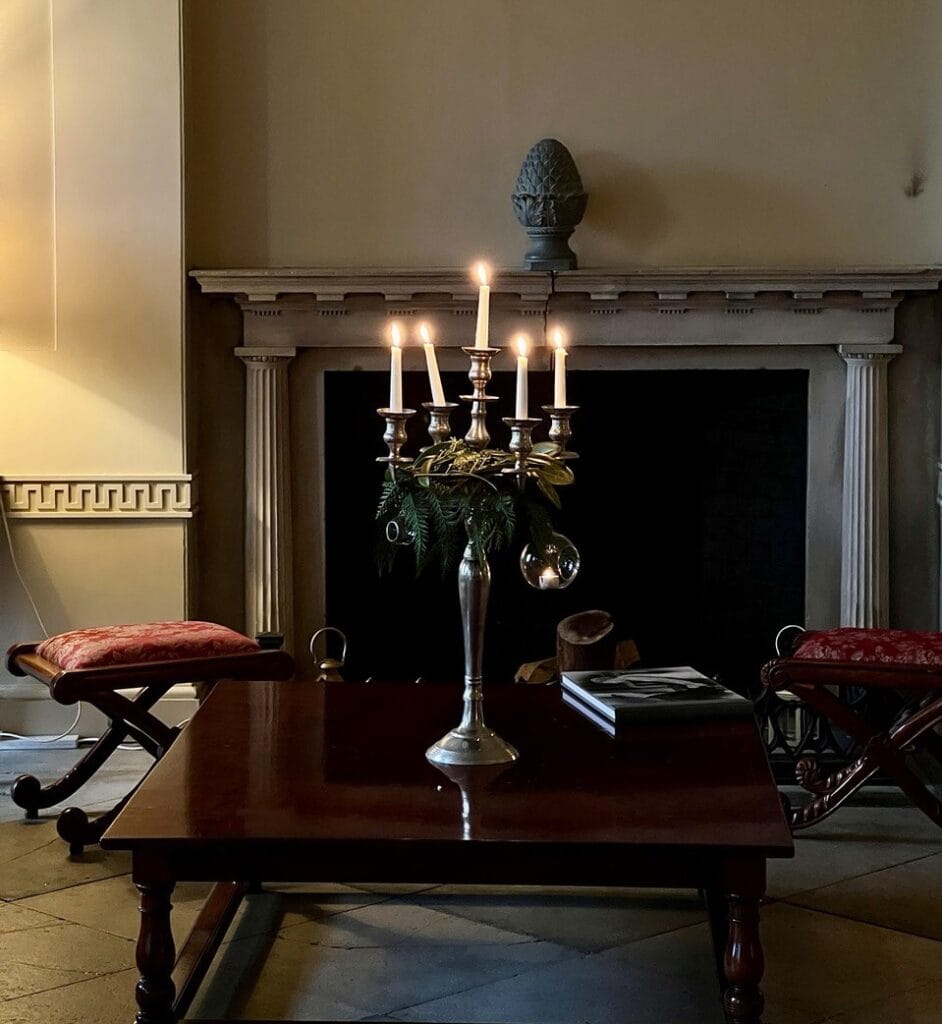
Ireland is a year-round destination, but conditions and “feel” shift with season. Summer brings longer daylight; winter and shoulder months can mean quieter sites and a more intimate, fireside castle atmosphere.
For luxury-and-heritage travellers, “best season” often means shoulder season (spring or fall) when you can get atmosphere without peak crowds—then add one indoor-friendly anchor per day (spa time, afternoon tea, private castle tour) so weather becomes part of the story, not a disruption.
Accessibility realities in historic buildings
Historic properties are improving accessibility, but guests should plan proactively. Tourism Ireland’s accessibility guidance emphasizes that travelers should use specialist resources and confirm details directly with accommodation providers.
Some castle hotels publish clear accessibility details. Ashford Castle, for instance, explicitly notes it has one fully accessible room and outlines mobility features across parts of the property.
If accessibility is a priority (mobility, sensory needs, or pacing), it’s worth choosing a private tour model precisely because it can be adapted.
Transport links and getting around
Castle hotels are typically easiest with a private driver/guide or rental car, especially for rural estates. Some properties explicitly highlight access options: Ballyseede, for example, notes its location is accessible via regular bus services from major towns and cities.
Others make the “arrival ritual” part of the experience. Waterford Castle is accessed via a short private car ferry crossing, turning check-in into a cinematic moment and it also states proximity to Waterford City and approximate driving times to major airports.
For Dublin-based travelers, city-adjacent castle hotels can reduce driving fatigue. Clontarf Castle markets itself as close to Dublin City, which suits jet-lag recovery nights and “last night in Ireland” itineraries.
Typical stay length that feels “worth it”
A one-night castle stay can absolutely work, especially for urban castles or as a milestone night on a touring route. But two nights usually unlock the real value: one evening for dining and atmosphere, one full day for activities (falconry, spa, golf, estate walk, or a nearby signature attraction), then a slow breakfast without the rush to repack.
Dublin and Ireland’s Ancient East with two castle nights
Start with a Dublin-based castle hotel to erase jet lag, then loop into the “Ireland’s Ancient East” region for a countryside castle estate night. Discover Ireland specifically highlights castle-stay options across Ireland’s Ancient East, reflecting how strong this region is for heritage stays near Dublin.
A practical structure is: arrival in Dublin → one castle night near the city → day touring (monastic sites, gardens, food, whiskey, or ancestral heritage) → second castle night in the countryside → return to Dublin for onward travel.
For travelers who want a “castle without countryside driving,” Clontarf Castle keeps you close to Dublin while still delivering a castle setting and four-star positioning.
South and southeast: private-island castle + Kerry atmosphere
This pairing is ideal for travelers who want two very different “castle moods.” Waterford Castle delivers the unusual private-island arrival by ferry and a compact, intimate castle-hotel scale (19 bedrooms), while Kerry’s castle storytelling culture is beautifully represented by Ballyseede’s folklore-forward approach.
Kerry routing is especially effective when your castle is a base for iconic scenic touring (Ring of Kerry-type landscapes), and Ballyseede explicitly positions itself as Kerry’s “only castle hotel,” using “authentic castle experience” language in its own marketing.
West and northwest: flagship luxury plus rugged Atlantic drama
For travelers who want the “global bucket list” castle, Ashford and Dromoland sit at the top tier of Ireland’s castle hotel ecosystem, one anchored in the west’s lakes and rugged landscapes, one tied to Clare’s aristocratic heritage and a full resort-style estate model.
Ashford Castle’s messaging emphasizes its 800-year presence and identifies itself as a five-star Red Carnation castle hotel; it also highlights a Forbes Five-Star spa distinction, which is rare in the Irish context.
For northwest drama, Donegal’s Lough Eske Castle integrates “castle restoration” aesthetics with modern five-star facilities and packages that include history tours and bicycle use, useful for travelers who want activities built into the stay without overplanning.

Leave a Reply