
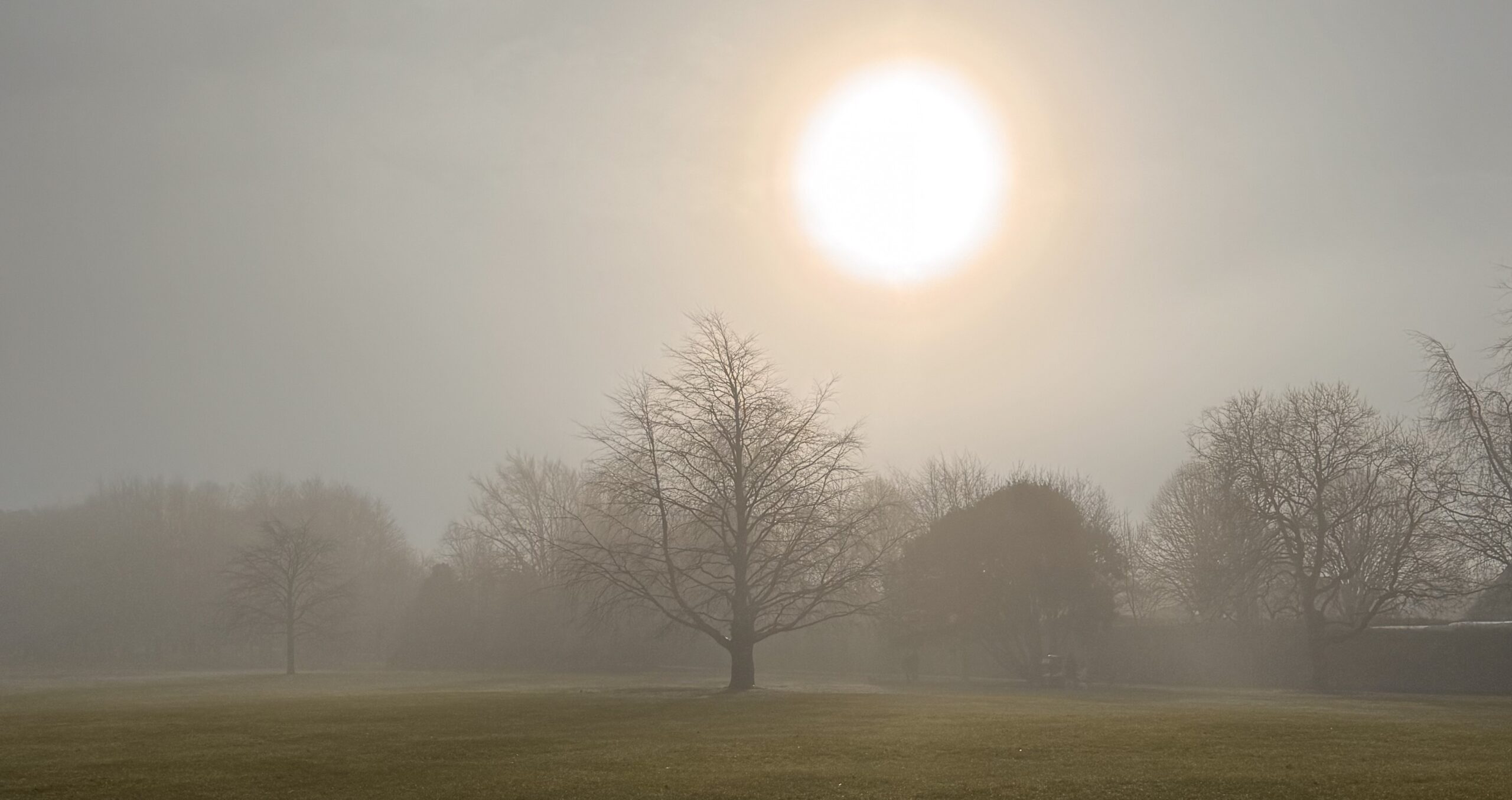
Every year on February 1st, Ireland celebrates St. Brigid’s Day (Lá Fhéile Bríde). An ancient tradition marking the first day of spring. This holiday, rooted in Celtic history and Christian legend, has recently become a new public holiday in Ireland, offering a fresh opportunity for locals and visitors alike to experience Irish culture in bloom. From the pagan festival of Imbolc to modern community celebrations, St. Brigid’s Day bridges Ireland’s past and present in a celebration of hope and renewal.
Celebrating the Spirit of St Brigid’s Day: ancient Origins
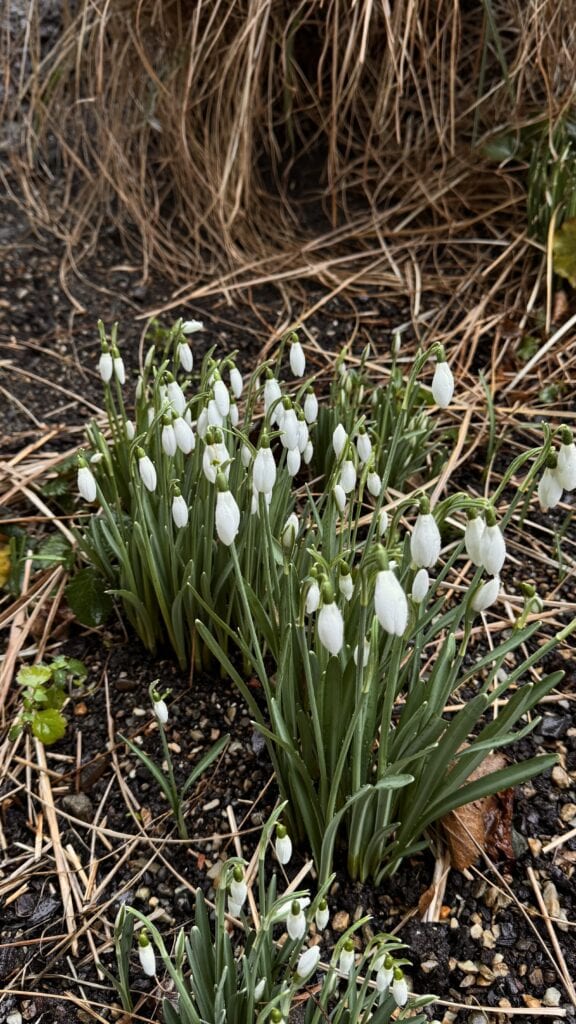
St. Brigid’s Day has its origins in the ancient Celtic festival of Imbolc, one of the four great Gaelic seasonal festivals marking the turn of the seasons.
Celebrated at the midpoint between the winter solstice and spring equinox (around February 1st), Imbolc signaled the end of winter’s darkness and the first stirrings of spring. For Ireland’s early inhabitants, it was a time of rebirth and hope after the long winter, when lambs were born, days grew longer, and the earth showed signs of warming. Bonfires were lit and feasts prepared to welcome the sun’s return, and it was considered a time to seek blessings for fertile lands and healthy livestock.
At the heart of these celebrations was the figure of Brigid (Brighid or Bríg), revered in Celtic mythology as a triple goddess of fertility, fire, and poetry.
Many of Imbolc’s customs were associated with Brigid’s divine traits: flames to represent the returning sun (Brigid was goddess of the hearth and fire), and visits to holy wells symbolising healing and purification (water was sacred to her). When Christianity spread to Ireland in the 5th century, the festival of Imbolc was adapted into the feast day of St. Brigid of Kildare, one of Ireland’s patron saints. St. Brigid, who lived in the 5th century, was a charismatic abbess famed for her compassion and miracle-working. She founded a monastery in Kildare (Cill Dara, meaning “church of the oak”), on the very site that had been sacred to the pagan goddess, thus intertwining the old and new traditions. Over time, February 1st became known as St. Brigid’s Day, honouring both the beloved saint and the hopeful spirit of the ancient festival.
Traditions and Symbols of St. Brigid’s Day

St. Brigid’s Day in Ireland is rich with customs that celebrate new life and protection. Perhaps the most emblematic tradition is the crafting of the St. Brigid’s Cross. In the days leading up to February 1st, reeds or rushes are gathered from fields and riverbanks. Families and schoolchildren weave these green stalks into small crosses with a distinctive woven square at the center and four radially pointing arms. According to legend, St. Brigid wove the first of these crosses from rushes on a farmhouse floor while comforting a dying chieftain, converting him to Christianity in the process. To this day, Irish households hang St. Brigid’s crosses above doors or in rafters as talismans of protection, believed to guard homes from fire, lightning, and illness in the coming year . It’s not uncommon to see these crosses receiving blessings at church services on St. Brigid’s Day, blending folk custom with faith.
Another widespread custom is visiting holy wells dedicated to St. Brigid. Dotted across Ireland, especially in counties Kildare, Louth, and Clare, these natural springs have long been places of reflection and prayer. On St. Brigid’s Day, people visit the wells to say prayers, leave tokens (coins, ribbons, or bits of cloth), and draw water believed to have curative powers . One famous example is St. Brigid’s Well in Kildare, where pilgrims walk in procession and perhaps even take a scoop of water home. These rituals at the water’s edge hark back to the pre-Christian roots of the holiday, when water and fertility rites were central to Imbolc.
St. Brigid’s Day also carried on the Imbolc tradition of feasting and gathering. Historically, Irish families would share a special meal on St. Brigid’s Eve (January 31st). In some regions, a rustic dish called bruitíns (mashed potatoes with butter and onions) was prepared as a humble feast. The table might be set with an extra place or a piece of bread and butter on the windowsill, offerings to St. Brigid who was believed to travel the land on that night, bringing her blessings to each home. Children would sometimes carry a Brídeóg (a small doll effigy of Brigid) from house to house on St. Brigid’s Eve, dressed in ribbons and flowers, accompanied by “Biddy Boys”, youngsters in straw hats singing songs or playing music in exchange for coins or treats . This charming custom, similar to the Wren Boys on St. Stephen’s Day, was a way of spreading Brigid’s goodwill throughout the community. While such door-to-door traditions are less common today, the spirit of hospitality and neighborliness remains strong.
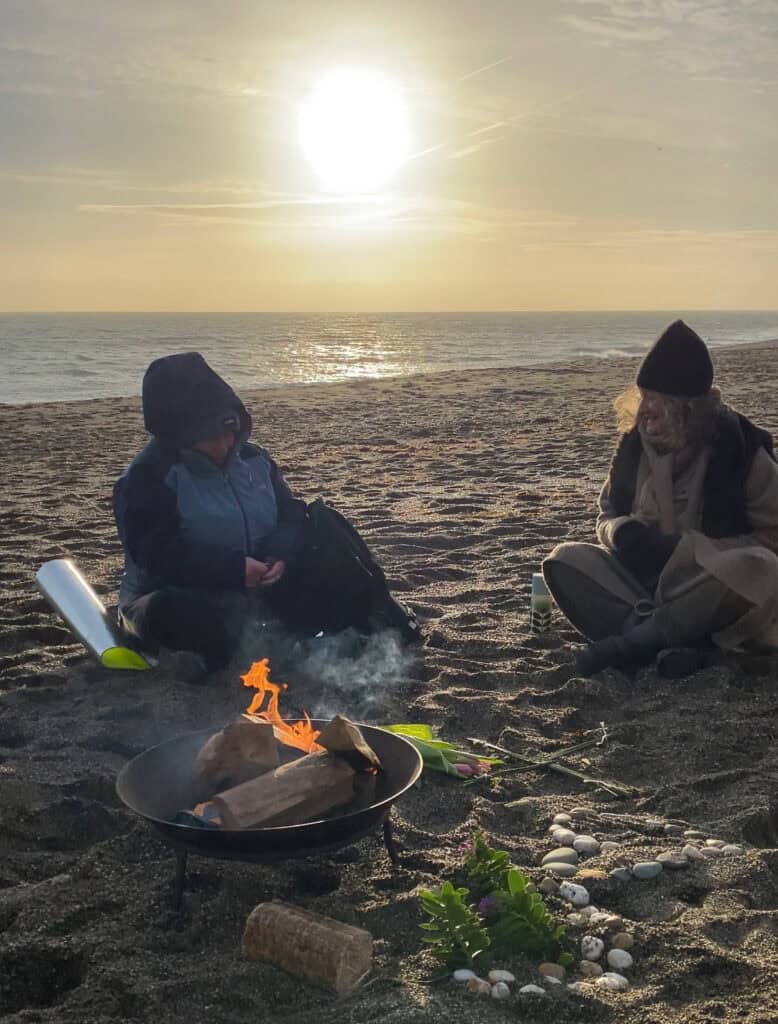
Modern observances of St. Brigid’s Day often include community gatherings, music sessions, and seasonal foods, keeping that convivial atmosphere alive. In many towns, schools hold events where students perform skits about St. Brigid’s miracles or demonstrate cross-weaving.
Local groups might host traditional music and dance nights around February 1st, giving visitors a chance to join in a ceilidh (Irish dance) or simply enjoy the fun. Through all these traditions, old and new, runs a common thread: celebrating the coming of spring, the importance of community, and the enduring inspiration of Brigid herself.
Modern observances of St. Brigid’s Day often include community gatherings, music sessions, and seasonal foods, keeping that convivial atmosphere alive. In many towns, schools hold events where students perform skits about St. Brigid’s miracles or demonstrate cross-weaving. Local groups might host traditional music and dance nights around February 1st, giving visitors a chance to join in a ceilidh (Irish dance) or simply enjoy the craic (fun). Through all these traditions, old and new, runs a common thread: celebrating the coming of spring, the importance of community, and the enduring inspiration of Brigid herself .
St. Brigid’s Day in Modern Ireland
In the 21st century, St. Brigid’s Day has been embraced with new enthusiasm, even achieving the status of an official public holiday in the Republic of Ireland starting in 2023. This landmark decision made St. Brigid’s Day the first national holiday named after a woman, reflecting a growing recognition of Brigid’s importance in Irish culture and the value of women’s contributions to Ireland’s story. Now, every year the first Monday of February is a day off for the public (or February 1st itself if it falls on a Friday, allowing an early weekend start ), ensuring that communities have time to celebrate and reflect.
Modern celebrations of St. Brigid’s Day often mix cultural events with civic pride. For instance, the Irish government and cultural organizations have used the occasion to highlight women in Irish history, arts, and society. In 2023, the inaugural St. Brigid’s public holiday was marked by a nationwide cultural program celebrating Irish women, aligning with Brigid’s status as a symbol of nurturing and creativity. Exhibitions, lectures, and concerts centered on themes of womanhood and renewal were held, from Dublin to smaller towns.
In Brigid’s spiritual home of Kildare, the holiday is the high point of an annual week-long festival called Féile Bríde (“Brigid’s Festival”). Centered at Solas Bhríde (a spirituality centre run by Brigidine sisters), Féile Bríde features a candlelit pilgrimage to St. Brigid’s Well on January 31st, drawing hundreds of participants carrying lanterns through the dark winter evening . The following days see a variety of events: workshops where you can learn to weave your own Brigid’s Cross and hear folktales , seminars on justice and peace inspired by Brigid’s message, traditional music performances, and even guided walks along the monastic trail in Kildare town and the Curragh plains where Brigid’s abbey once stood . The local community, from schools to heritage groups, comes together to make this ancient feast feel relevant and alive each year. Visitors are very much welcome at these events, making it a wonderful opportunity to engage with Irish people and culture directly.
Across Ireland, St. Brigid’s Day has a quieter profile than the fanfare of St. Patrick’s Day (no massive national parades or commercial celebrations), but that is part of its charm. The atmosphere is more intimate and community-focused.
You might find a small village hosting a St. Brigid’s ceili dance, or a library putting on a talk about spring folklore. Churches hold special St. Brigid’s Day Masses where baskets of crosses are blessed.
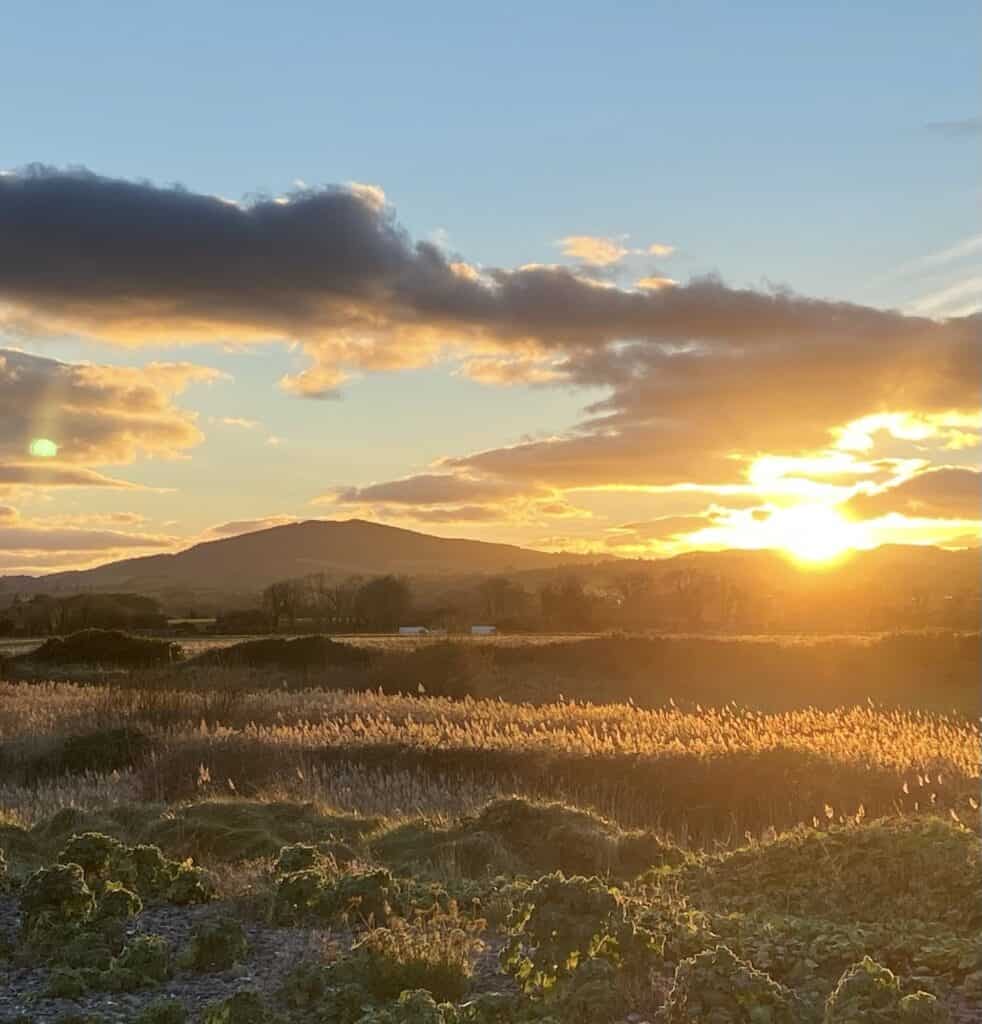
And because the holiday coincides with Imbolc, many people take the day as a chance to appreciate nature, maybe a walk in the awakening countryside or a bit of spring cleaning to freshen the home. The new public holiday ensures that even those with busy schedules can pause and take part in these seasonal rituals of renewal.
Embracing Ireland’s Springtime Heritage
St. Brigid’s Day is more than just a date on the calendar, it’s a celebration of Ireland’s resilient spirit, rooted in ancient heritage and carried forward by communities today. For travelers seeking an authentic slice of Irish life, being in Ireland for this holiday (or even simply learning about it during your trip) can be deeply rewarding. You’ll gain insight into how Irish people connect with their history and environment: honoring a saint who championed the poor and a goddess who nurtured the land, all while looking forward to the future with hope.
Whether or not your visit aligns exactly with February 1st, you can still walk in St. Brigid’s footsteps throughout the year. Many of our cultural tours in Ireland include a storytelling session about her legends, because Brigid’s message of generosity and renewal resonates beyond a single day. With the guidance of an expert local, you’ll uncover layers of meaning at sites like Brigid’s holy wells or the Hill of Tara, places where the echoes of Imbolc and Brigid’s Day can be felt any time.
In essence, experiencing St. Brigid’s Day with a local guide, or simply embracing its themes during your journey, allows you to connect with Ireland on a profound level. As the first light of spring dawns over the Irish hills, you’ll understand why this little holiday holds a big place in Irish hearts. It’s a reminder that in Ireland, every story (and every season) begins in the cradle of its history, carried on by a people who love to share it. And as you celebrate the turning of the season alongside new friends, you become part of the story too, carrying Ireland’s warmth and inspiration with you long after you’ve said slán (goodbye) to the Emerald Isle.
 Get in touch to know more about St. Brigid and plan your trip
Leave a Reply